Author: Peiman Daneshgar
Email: daneshgar781@gmail.com
Table of contents
- 1. What Is the Digital Envelope Saving System?
- 2. The Origins of the Envelope Budgeting Method
- 3. How the Digital Envelope System Works
- 4. Why This System Is So Effective
- 5. Setting Up Your First Digital Envelopes
- 6. Choosing the Right Budget Categories
- 7. Best Apps for Digital Envelope Budgeting
- 8. Common Mistakes People Make
- 9. How to Stay Consistent With the System
- 10. Who Should Use the Digital Envelope Method?
- 11. Frequently Asked Questions
- 12. Final Thoughts
1. What Is the Digital Envelope Saving System?
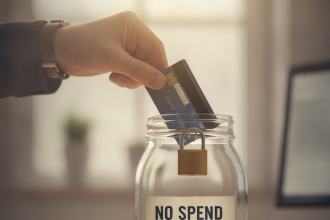
The Digital Envelope Saving System is a modern budgeting method that helps you control spending by dividing your money into separate virtual categories.
Each category acts like a digital “envelope” that holds money for a specific purpose.
Common envelopes include:
- Groceries
- Rent
- Transportation
- Entertainment
- Emergency savings
Once the money in a category is gone, you stop spending in that category until the next budget cycle.
This system creates clear spending boundaries and helps prevent overspending.
2. The Origins of the Envelope Budgeting Method
The envelope method originally started as a cash budgeting system.
People physically placed cash into labeled envelopes for different expenses.
For example:
Envelope 1: Groceries
Envelope 2: Gas
Envelope 3: Dining Out
When the envelope became empty, spending stopped.
The modern digital version follows the same philosophy but uses banking apps or budgeting software instead of physical cash.
3. How the Digital Envelope System Works
The digital envelope system follows a straightforward process.
Step 1: Calculate Your Income
Start with the amount of money you receive each month after taxes.
Example:
Monthly income: $3,000
Step 2: Assign Every Dollar a Job
Divide your income into categories.
Example allocation:
- Rent: $1,200
- Groceries: $400
- Transportation: $200
- Utilities: $150
- Entertainment: $150
- Savings: $400
- Miscellaneous: $500
Each category becomes a digital envelope.

Step 3: Track Spending
Whenever you spend money, subtract it from the correct envelope.
This keeps your budget updated in real time.
Step 4: Stop When the Envelope Is Empty
If your dining envelope hits zero, you pause dining spending until the next budget period.
This simple rule prevents impulsive spending.
4. Why This System Is So Effective
The envelope system works because it changes how people think about money.
Instead of viewing money as one large pool, it becomes divided into specific purposes.
This structure improves decision‑making.
For example:
Without envelopes:
“I still have money in my account.”
With envelopes:
“I only have $20 left in my dining budget.”
The second mindset creates natural limits.
52 Week Savings Challenge Rules
5. Setting Up Your First Digital Envelopes
Creating a digital envelope system is easier than most people expect.
Step 1: List Your Monthly Expenses
Write down essential expenses first:
- Rent or mortgage
- Utilities
- Groceries
- Transportation
- Insurance
Step 2: Add Lifestyle Categories
Next include flexible spending categories such as:
- Dining out
- Shopping
- Entertainment
- Hobbies
Step 3: Create Savings Envelopes
Savings should also have envelopes.
Examples include:
- Emergency fund
- Vacation fund
- Home repairs
- Investment contributions
This ensures saving is treated as a priority rather than an afterthought.
6. Choosing the Right Budget Categories
The best envelope categories depend on your lifestyle.
However, most budgets include a few common groups.
Essential expenses
Housing, utilities, groceries, insurance.
Variable expenses
Dining out, entertainment, shopping.
Financial goals
Savings, investments, debt repayment.
Too many categories can become overwhelming.
Most people benefit from 8–12 envelopes rather than dozens.

7. Best Apps for Digital Envelope Budgeting
Several budgeting tools support digital envelope systems.
Popular options include:
YNAB (You Need A Budget)
One of the most well‑known envelope budgeting apps.
Goodbudget
Designed specifically for digital envelope budgeting.
EveryDollar
A simple zero‑based budgeting tool.
Monarch Money
Offers advanced financial tracking and planning features.
These apps automatically track spending and update envelope balances.
8. Common Mistakes People Make
Even simple budgeting systems can fail if used incorrectly.
One mistake is creating unrealistic budgets.
If you allocate $50 for groceries but normally spend $400, the system will quickly break.
Another mistake is ignoring irregular expenses.
Annual costs like insurance or car maintenance should be included as monthly savings envelopes.
Finally, some people abandon the system after one mistake.
Budgeting works best as a long‑term habit.
9. How to Stay Consistent With the System
Consistency matters more than perfection.
A few habits help maintain the envelope system.
Review your envelopes weekly.
Adjust categories if spending patterns change.
Automate transfers into savings envelopes.
Track spending regularly to stay aware of remaining balances.
These simple actions keep the system effective.
Better Money Habits vs Khan Academy
10. Who Should Use the Digital Envelope Method?
This budgeting approach is ideal for:
People who struggle with overspending
Individuals trying to control discretionary spending
Families managing shared budgets
Anyone wanting clearer financial boundaries
However, people who prefer flexible spending without strict limits may find the system restrictive.
11. Frequently Asked Questions
Is the envelope system outdated?
No. The digital version modernizes the concept while keeping its powerful budgeting structure.
Do I need budgeting apps?
Not necessarily. A spreadsheet or banking app can also track envelopes.
What happens if one envelope runs out?
You can either stop spending in that category or move money from another envelope.
Can this system help save money?
Yes. Clear spending limits often reduce impulse purchases and increase savings.
12. Final Thoughts
The Digital Envelope Saving System works because it introduces clarity and boundaries to your finances.
Instead of wondering where your money went at the end of the month, every dollar is assigned a purpose.
This simple shift transforms budgeting from a stressful chore into a manageable system.
Over time, the envelope method builds stronger financial habits, improves spending awareness, and helps people achieve their savings goals more consistently.
Sometimes the most effective financial strategies are also the simplest.