By: Peiman Daneshgar | Email: daneshgar781@gmail.com**
Published: February 23, 2026**
Table of Contents
- What Is a Recession and How Should I Prepare My Finances? (The Non-Panic Guide)
- Introduction: The “R” Word Is Everywhere
- What This Article Will Actually Give You
- Part 1: What Actually Is a Recession? (The 60-Second Version)
- Part 2: The 3 Things That Happen to Regular People in a Recession
- Part 3: The Emergency Fund—Your #1 Weapon
- Part 4: The Debt Shield—Get Rid of the Dangerous Stuff
- Part 5: The Investment Strategy—Don’t Do Anything Stupid
- Part 6: The Career Protection Plan
- Part 7: The Expense Audit—Cut Without Feeling It
- Part 8: The Real Estate Reality Check
- Part 9: The Psychological Prep (The Part Everyone Forgets)
- Frequently Asked Questions
- The Emotional Bottom Line
Introduction: The “R” Word Is Everywhere
I know that feeling.
You’re scrolling through your phone, and every headline screams the same thing:
“Recession fears grow.”
“Economists predict downturn.”
“Markets tumble on recession worries.”
You check your 401(k). It’s down. Again. You start doing mental math—how much have you lost this month? This quarter?
Your friend mentions layoffs at their company. Your industry is “restructuring.” Suddenly, that job that felt secure doesn’t feel so secure anymore.
You lie awake at night, running through scenarios. What if you lose your job? What if the market crashes further? What if this time is different?
Sound familiar?
You’re not alone. Every few years, the recession headlines start. And every time, millions of people panic—selling investments at the worst possible time, cutting expenses they’ll regret, making decisions based on fear instead of logic.
how much life insurance coverage do I really need?
But here’s the thing: Recessions are normal. They happen every 5-10 years. And the people who prepare—not panic—come out ahead every single time.
🧠 Quick Reality Check:
Since 1854, the US economy has been in recession about 25% of the time . That’s not a typo. One of every four years, on average. Recessions aren’t anomalies—they’re part of the cycle. The question isn’t whether one will happen. It’s whether you’ll be ready.
What This Article Will Actually Give You
Here’s the deal. Most recession articles are either doom-porn designed to scare you, or generic advice you’ve heard a thousand times.
This one is different.
By the time you finish reading, you’ll know:
- What a recession actually is (the simple version) .
- The 3 things that happen to regular people during a downturn .
- The 9 specific steps to recession-proof your finances .
- How much emergency fund you really need (it’s not the same for everyone) .
- What to do with your investments (hint: panic selling is the worst move) .
- The psychological prep that keeps you sane when headlines get loud .
This is the playbook. Let’s run it.
term life vs whole life insurance: which do I need?
Part 1: What Actually Is a Recession? (The 60-Second Version)
The Official Definition
A recession is officially defined as two consecutive quarters of negative economic growth —meaning the economy shrinks instead of grows .
But that’s just the technical definition. What it means for regular people is simpler.
The Informal Definition
A recession is when:
- Companies make less money
- They lay off workers or stop hiring
- People spend less because they’re worried
- The stock market goes down
- It’s harder to get loans
How Long Do Recessions Last?
Since 1945, the average recession has lasted about 10 months . The Great Recession (2007-2009) lasted 18 months—longer than usual. But even the worst recessions end.
| Recession | Duration | Market Recovery Time |
|---|---|---|
| 2020 (COVID) | 2 months | 4 months |
| 2008-2009 | 18 months | 4 years |
| 2001 | 8 months | 2 years |
| 1990-1991 | 8 months | 1 year |
Part 2: The 3 Things That Happen to Regular People in a Recession
1. Jobs Get Less Secure
Companies cut costs. Sometimes that means layoffs. Sometimes it means hiring freezes. Sometimes it means no raises or bonuses. Your job might be safe, but you’ll feel the tension.
2. Investments Go Down
The stock market hates uncertainty. During recessions, stocks typically fall—sometimes a lot. Your 401(k) and IRA balances will drop. This is normal.
3. Credit Gets Tighter
Banks get scared. They lend less money and only to people with perfect credit. If you were planning to refinance or get a loan, it gets harder.
IRS audit red flags for individuals
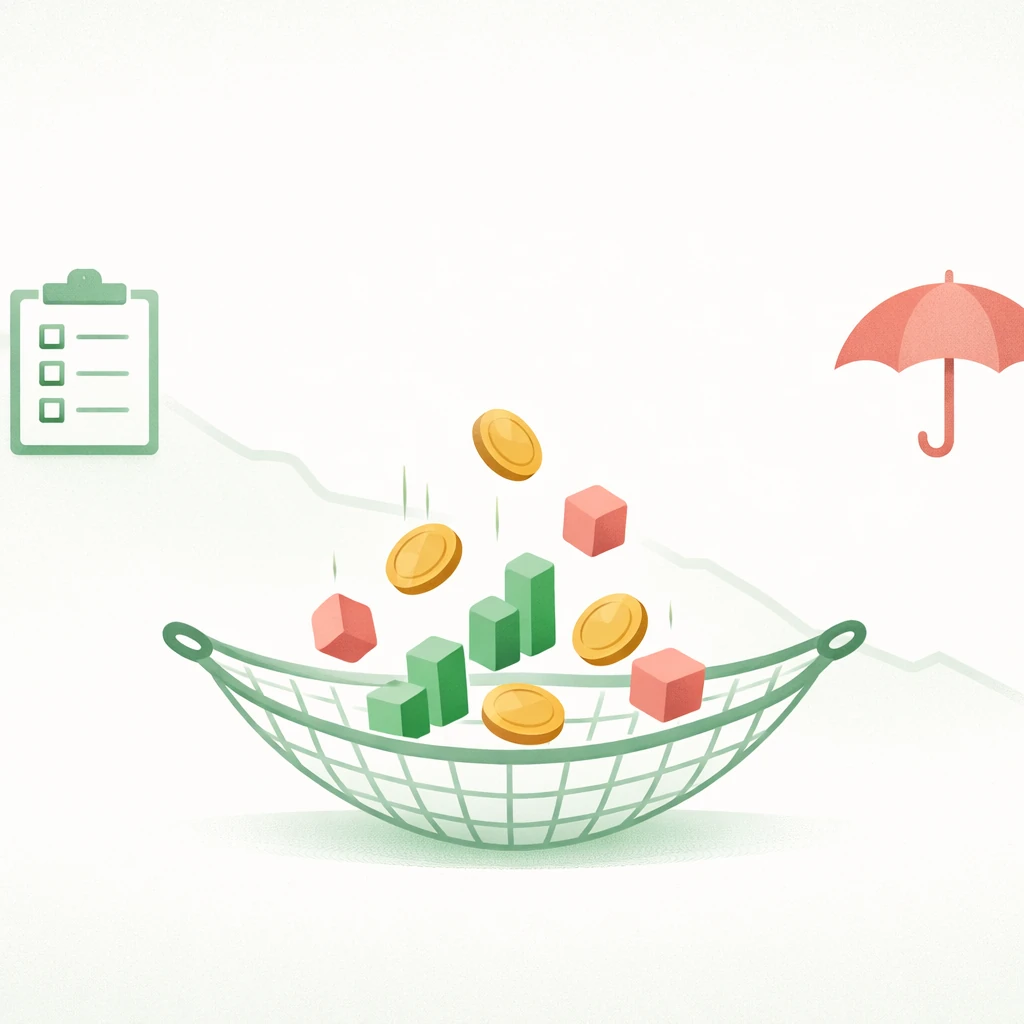
Part 3: The Emergency Fund—Your #1 Weapon
If you do nothing else, do this.
How Much Is Enough?
The standard advice is 3-6 months of essential expenses . But the right number depends on you:
| Situation | Recommended Fund |
|---|---|
| Stable job, dual income | 3 months |
| Stable job, single income | 4-5 months |
| Variable income (freelancer, commission) | 6-9 months |
| Business owner | 9-12 months |
Essential expenses = housing, food, utilities, insurance, minimum loan payments. Not restaurants, not streaming services, not shopping.
Where to Keep It
- High-yield savings account (3-5% interest currently)
- Not in the stock market
- Not in a CD with early withdrawal penalties
- Not in a crypto wallet
You need this money to be safe and accessible.
The “One Month at a Time” Strategy
If 3-6 months feels overwhelming, focus on one month at a time. Get one month of expenses saved. Then two. Then three. Momentum builds.
how to avoid taxes on savings account interest (legally)
Part 4: The Debt Shield—Get Rid of the Dangerous Stuff
Not all debt is created equal in a recession.
The Two Kinds of Debt
| Type | Examples | Risk Level |
|---|---|---|
| Good debt | Low-interest, fixed-rate, secured | Low |
| Bad debt | High-interest, variable-rate, unsecured | High |
The Credit Card Danger Zone
Credit cards are the most dangerous debt in a recession because:
- Rates are high (18-25%)
- They’re unsecured (banks can change terms)
- Minimum payments can spike
If you have credit card debt, make it your #1 priority.
The Minimum Payment Trap
If you only make minimum payments on credit cards, you’ll pay for decades. During a recession, that’s a disaster.
Action plan: Before a recession hits, aggressively pay down high-interest debt. Credit cards first, then personal loans, then any variable-rate debt.
is cryptocurrency taxable in the US/UK/EU?
Part 5: The Investment Strategy—Don’t Do Anything Stupid
The Panic Sale (The #1 Mistake)
When markets drop, the worst thing you can do is sell. Locking in losses turns a paper loss into a real loss. And you miss the recovery when it comes.
What You Should Do Instead
| If You Are… | What to Do |
|---|---|
| 10+ years from retirement | Keep investing. Increase contributions if you can. |
| 5-10 years from retirement | Review asset allocation. Ensure you have 2-3 years of expenses in cash/bonds. |
| Already retired | Don’t panic. Stick to your withdrawal plan. Consider reducing spending temporarily. |
Recessions Are for Buying, Not Selling
Warren Buffett’s famous line: “Be fearful when others are greedy, and greedy when others are fearful.”
During a recession, stocks are on sale. If you have cash, that’s an opportunity. If you don’t, stay the course.
The Bond Question
Bonds are generally safer than stocks, but not risk-free. A diversified portfolio with some bonds can smooth out volatility. The right mix depends on your age and risk tolerance.
capital gains tax on stocks for beginners
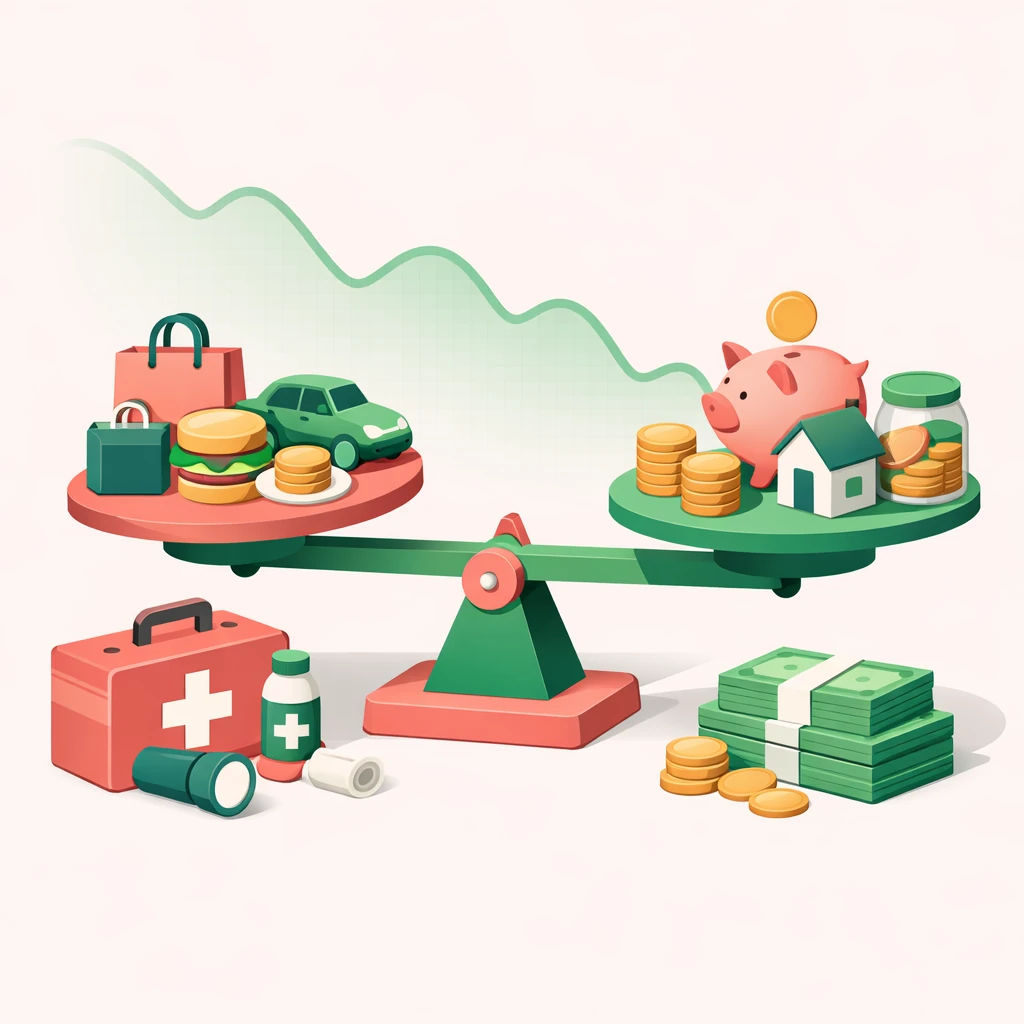
Part 6: The Career Protection Plan
Make Yourself Indispensable
In a recession, companies cut. Make sure you’re not on the list.
- Take on projects others avoid
- Learn skills your company needs
- Make your work visible
- Build relationships with decision-makers
Network While You Don’t Need To
The best time to network is when you don’t need a job. Reach out to former colleagues. Attend industry events. Be visible. When layoffs happen, the people with networks find new jobs faster.
Diversify Your Income
If you have only one source of income, you’re vulnerable. A side hustle—even a small one—provides a backup.
- Freelancing in your field
- Teaching or tutoring
- Gig economy work
- Selling products online
- best tax software for small business owners
Update Your Resume
Your resume should always be current. You never know when you’ll need it. Update it with recent accomplishments, metrics, and skills.
Part 7: The Expense Audit—Cut Without Feeling It
The Subscription Purge
Go through your bank statements. Every subscription you’re not using gets canceled. Streaming services, apps, gym memberships, boxes you forgot about.
Average American spends $200+ per month on subscriptions they don’t use . That’s $2,400 a year—real money.
The “Use It or Lose It” Rule
For things you keep, set a rule: If you don’t use it for 30 days, cancel it.
The 30-Day Rule for Big Purchases
Want to buy something expensive? Wait 30 days. If you still want it, consider it. Most impulse purchases die after 30 days.
What NOT to Cut
Don’t cut:
- Insurance premiums (you need coverage)
- Retirement contributions (keep investing)
- Preventive healthcare (cheaper than treating illness later)
- Basic maintenance (ignoring problems makes them worse)
- how to file taxes as a married couple for the first time
Part 8: The Real Estate Reality Check
If You Own a Home
- Don’t panic sell. Real estate cycles, but over time, values rise.
- If you have equity, a HELOC can be a backup emergency fund (use only in crisis).
- If you’re struggling, talk to your lender before you miss payments. They may offer forbearance.
If You’re Renting
- Rent tends to be more stable than mortgage payments.
- Your landlord might be struggling—pay attention to building maintenance and notices.
- Consider locking in a longer lease if rates are reasonable.
If You’re Thinking of Buying
- Recessions can create buying opportunities (lower prices, lower rates)
- But don’t buy if your job isn’t secure
- Have a larger emergency fund before taking on a mortgage
- tax credits vs tax deductions explained
Part 9: The Psychological Prep (The Part Everyone Forgets)
The Market Will Come Back
Look at history:
- 2008 crash → recovered by 2012
- 2000 dot-com crash → recovered by 2007
- 1987 crash → recovered by 1989
- 1929 crash → took 25 years, but eventually recovered
If you have a long time horizon, you’ll be fine.
The “Stay the Course” Mantra
When you’re tempted to panic, repeat: “I have a plan. I’m sticking to it. This too shall pass.”
The Opportunity Mindset
Instead of seeing a recession as a disaster, see it as:
- A chance to buy investments on sale
- A reason to get your finances in order
- A reminder to focus on what matters
- A test of your financial discipline
- what to do if you can’t pay your taxes on time
Frequently Asked Questions
Q: What is a recession?
A: Two consecutive quarters of negative economic growth. In plain English, the economy shrinks instead of grows .
Q: How long do recessions last?
A: Since 1945, the average recession has lasted about 10 months .
Q: How do I prepare for a recession?
A: Build emergency fund, pay down high-interest debt, diversify income, review investments, cut unnecessary spending, update skills .
Q: How much emergency fund do I need?
A: 3-6 months of essential expenses. More if your income is variable .
Q: Should I sell my investments before a recession?
A: No. Timing the market is impossible. Stay invested for the long term .
Q: What should I do with my 401(k) during a recession?
A: Keep contributing. If anything, increase contributions while prices are low .
Q: How do I protect my job during a recession?
A: Make yourself indispensable, network, update skills, take on visible projects .
Q: Should I pay off debt or save first?
A: Build a small emergency fund first, then attack high-interest debt .
Q: Is a recession a good time to buy a house?
A: Possibly, if prices drop and rates are low—but only if your job is secure .
Q: What should I cut from my budget?
A: Subscriptions you don’t use, impulse purchases, luxury spending. Don’t cut insurance or retirement contributions .
Q: What’s the biggest mistake people make in recessions?
A: Panic selling investments at the bottom, then missing the recovery .
The Emotional Bottom Line
Look, I’m not going to pretend that preparing for a recession is fun.
It’s not. It’s checking your emergency fund, cutting expenses, having uncomfortable conversations. It’s acknowledging that bad things could happen and planning for them anyway.
But here’s the thing: Recessions are not the end of the world. They’re part of the cycle.
The economy expands. It contracts. It expands again. People who panic lose. People who prepare—and stay calm—come out ahead.
You don’t need to predict when the next recession will hit. You just need to be ready when it does.
So take the steps. Build the fund. Cut the debt. Update the resume. Review the investments.
And then go to sleep knowing that whatever happens, you’ll be okay.
You’ve got this.