By Peyman Daneshgar
If you have good credit, you hold a powerful financial tool. In the world of lending, a strong credit score is your ticket to the most competitive interest rates, the most favorable terms, and the highest loan amounts. If you are currently juggling multiple high-interest debts—such as credit card balances, personal loans, or medical bills—leveraging your good credit to secure a top-tier debt consolidation loan is one of the smartest financial moves you can make.
Debt consolidation is the process of taking out a new loan to pay off multiple existing debts, leaving you with a single monthly payment. For individuals with good credit, this isn’t just about simplification; it is a strategic opportunity to slash your interest rates, potentially saving you thousands of dollars and accelerating your path to being debt-free.
This guide is meticulously crafted to be the definitive resource for anyone with good credit seeking the best debt consolidation loans for good credit 2024. We will analyze the top lenders, break down the application process, explain the math behind the savings, and answer every question you might have. By the end, you will have a clear roadmap to consolidate your debt and take control of your financial future.
Table of Contents
- What Defines “Good Credit” in 2024?
- Why Your Credit Score Unlocks the Best Debt Consolidation Loans for Good Credit 2024
- The 7 Best Debt Consolidation Loans for Good Credit 2024
- LightStream: Best for High-Dollar Loans and Long Repayment Terms
- SoFi: Best for No Fees and Unemployment Protection
- Discover: Best for Good Credit and Next-Day Funding
- Happy Money: Best for Consolidating Credit Card Debt
- PenFed Credit Union: Best Credit Union for Low Rates
- Citi® Personal Loan: Best for Rate Discounts
- Upgrade: Best for Fair-to-Good Credit and Small Loan Amounts
- How to Compare the Best Debt Consolidation Loans for Good Credit 2024
- Step-by-Step Guide to Getting a Debt Consolidation Loan
- The Pros and Cons of Debt Consolidation
- Alternatives to Debt Consolidation Loans
- Frequently Asked Questions (FAQs)
- Conclusion: Secure Your Financial Future Today
What Defines “Good Credit” in 2024?
Before we dive into the lenders, it is essential to understand where you stand. Credit scores are not a monolith; they exist on a spectrum. In the FICO scoring model, which is used by 90% of top lenders, scores are categorized as follows :
- Exceptional: 800+
- Very Good: 740 – 799
- Good: 670 – 739
- Fair: 580 – 669
- Poor: 579 and below
When we talk about the best debt consolidation loans for good credit 2024, we are generally referring to borrowers with scores of 660 or above . At this level, you are statistically very likely to repay your debts, which makes you a low-risk borrower in the eyes of lenders. This low risk translates directly into lower Annual Percentage Rates (APRs) and access to premium loan features.
Why Your Credit Score Unlocks the Best Debt Consolidation Loans for Good Credit 2024
Your credit score is the primary key that unlocks the vault of low-interest debt. Here is why having good credit matters so much when you want to consolidate debt:
- Lower Interest Rates (APR): This is the biggest advantage. While someone with fair credit might be offered rates in the high teens or even 20s, borrowers with good credit can often secure rates in the single digits. For example, a rate of 7.99% APR versus 24.99% APR on a $15,000 loan can mean a difference of thousands of dollars in interest over the life of the loan.
- Access to Top-Tier Lenders: Lenders like LightStream and SoFi are highly selective. They reserve their best rates and highest loan amounts for borrowers with strong credit histories. If you have good credit, you get to play in the “major leagues” of lending.
- Higher Loan Amounts: Need to consolidate a large sum of debt? Lenders are far more willing to offer loans of $50,000 or even $100,000 to individuals with proven financial responsibility .
- Better Terms and Perks: Good credit borrowers are often offered loans with no origination fees, no prepayment penalties, and exclusive perks like unemployment protection .
- 50/30/20 rule calculator excel template free
The 7 Best Debt Consolidation Loans for Good Credit 2024
After extensive research and analysis of the latest market trends, lender reviews, and rate data, here are our top picks for the best debt consolidation loans for good credit 2024.
LightStream: Best for High-Dollar Loans and Long Repayment Terms
LightStream, a division of Truist Bank, is consistently rated as a top-tier lender for those with good to excellent credit. If you have a strong credit profile, LightStream is often the first place you should look.
- Best For: Borrowers with excellent credit looking for large loan amounts (up to $100,000) and the flexibility of long repayment terms .
- Key Features:
- APR Range: 7.49% – 25.49% (with AutoPay discount) .
- Loan Amounts: $5,000 to $100,000 .
- Repayment Terms: 2 to 7 years (up to 12 years for certain secured loans) .
- Minimum Credit Score: 660-695 .
- Fees: No origination fees, no late fees, no prepayment penalties .
- Why It’s a Top Pick: LightStream offers some of the lowest rates on the market for qualified borrowers. Their “Rate Beat” program promises to beat any competitor’s eligible interest rate by 0.10 percentage points if you show them a lower offer . Funding can be incredibly fast, often the same day you apply .
- Watch Out For: LightStream does not offer a pre-qualification option with a soft credit check. To see your actual rate, you must apply, which results in a hard inquiry on your credit report . This makes it less ideal for “shopping around.”
SoFi: Best for No Fees and Unemployment Protection
SoFi (Social Finance, Inc.) has grown into a one-stop-shop for personal finance, and its personal loan product is a standout for those with good credit.
- Best For: Borrowers who value member perks, no fees, and unique protections like unemployment forbearance .
- Key Features:
- APR Range: 8.99% – 29.49% (with all discounts, including 0.25% for Autopay and 0.25% for direct deposit with SoFi) .
- Loan Amounts: $5,000 to $100,000 .
- Repayment Terms: 2 to 7 years .
- Minimum Credit Score: 680 .
- Fees: No origination fees, no late fees, no prepayment penalties .
- Why It’s a Top Pick: SoFi is renowned for its borrower-friendly approach. The complete lack of fees is a massive advantage. Furthermore, if you lose your job through no fault of your own, SoFi offers Unemployment Protection, allowing you to apply for a forbearance period and get help with job placement . The entire process is online and streamlined.
- Watch Out For: The minimum loan amount is $5,000, which may be too high for someone with only a small amount of debt. They also have a relatively high minimum credit score requirement .
- how to save money on a tight income
Discover: Best for Good Credit and Next-Day Funding
Discover is a well-known and trusted name in financial services, and their personal loans are a solid, straightforward option for consolidating debt.
- Best For: Borrowers with good credit who want a simple, fast, and fee-free loan from a reputable national bank .
- Key Features:
- APR Range: 6.99% – 24.99% .
- Loan Amounts: $2,500 to $40,000 .
- Repayment Terms: 3 to 7 years .
- Minimum Credit Score: 660 .
- Fees: No origination fees. Late fees may apply .
- Why It’s a Top Pick: Discover offers very competitive rates, especially for borrowers at the higher end of the “good” credit spectrum. They are known for their excellent customer service and a quick online application. If approved, you can often receive your funds as soon as the next business day . They also allow you to pay creditors directly, simplifying the consolidation process.
- Watch Out For: The maximum loan amount is capped at $40,000, which is lower than competitors like SoFi and LightStream .
Happy Money: Best for Consolidating Credit Card Debt
Formerly known as Payoff, Happy Money is a lender with a specific mission: to help people pay off credit card debt.
- Best For: Borrowers who want a specialized loan designed specifically to eliminate credit card balances and improve their financial wellness .
- Key Features:
- APR Range: 11.72% – 17.99% .
- Loan Amounts: $5,000 to $40,000 .
- Repayment Terms: 2 to 5 years .
- Minimum Credit Score: 640 .
- Fees: Late fees may apply .
- Why It’s a Top Pick: Happy Money focuses on the psychology of debt. They send funds directly to your credit card companies, and they aim to give you a “happy” payment that frees up your budget. Their rate range is relatively narrow, meaning that even if your credit is on the lower end of “good,” you won’t be hit with a rate in the 20s .
- Watch Out For: The APR range, while narrow, starts a bit higher than some competitors. It is not the best choice for consolidating other types of debt like medical bills or personal loans.
- money saving challenges for couples
PenFed Credit Union: Best Credit Union for Low Rates
Credit unions are member-owned non-profits, which often allows them to offer lower rates and fewer fees than traditional banks. PenFed is one of the largest and most accessible credit unions in the U.S.
- Best For: Borrowers who are comfortable joining a credit union and want access to consistently low rates, especially for smaller loan amounts .
- Key Features:
- APR Range: 7.74% – 17.99% .
- Loan Amounts: $600 to $50,000 .
- Repayment Terms: Up to 5 years .
- Minimum Credit Score: 700 .
- Fees: No origination fees .
- Why It’s a Top Pick: PenFed’s rates are among the most competitive, particularly for borrowers with very good credit. The ability to borrow as little as $600 makes it an excellent option for those with smaller debt loads. As a credit union, the focus is on member service rather than shareholder profit .
- Watch Out For: You must become a member of PenFed to get a loan, though this is usually a simple process of opening a savings account with a small deposit. They also have a higher minimum credit score requirement of 700 .
Citi® Personal Loan: Best for Rate Discounts
Citi is a global banking giant, and its personal loan product is streamlined and competitive, particularly for existing Citi customers.
- Best For: Borrowers with excellent credit who want a no-fee loan and can benefit from rate discounts .
- Key Features:
- APR Range: 11.49% – 20.49% .
- Loan Amounts: $2,000 to $30,000 .
- Repayment Terms: 1 to 5 years .
- Minimum Credit Score: 720 .
- Fees: No origination fees, no late fees, no prepayment penalties .
- Why It’s a Top Pick: Citi offers a truly fee-free loan experience. They also provide a 0.50% rate reduction for enrolling in automatic payments . The application process is quick, and you can check your rate with a soft credit pull.
- Watch Out For: The credit score requirement is higher (720), putting it firmly in the “very good” to “exceptional” range. The maximum loan amount of $30,000 is lower than many other top lenders .
- sinking funds: what are they and how to set them up
Upgrade: Best for Fair-to-Good Credit and Small Loan Amounts
Upgrade is an online lending platform that offers a comprehensive approach to debt consolidation, combining loans with financial management tools.
- Best For: Borrowers on the cusp of “good” credit (e.g., scores in the low 600s) who may need a smaller loan amount and appreciate additional financial tools .
- Key Features:
- APR Range: 8.49% – 35.99% .
- Loan Amounts: $1,000 to $50,000 .
- Repayment Terms: 2 to 7 years .
- Minimum Credit Score: 560-600 .
- Fees: Origination fee (1.85% – 9.99%), late fee .
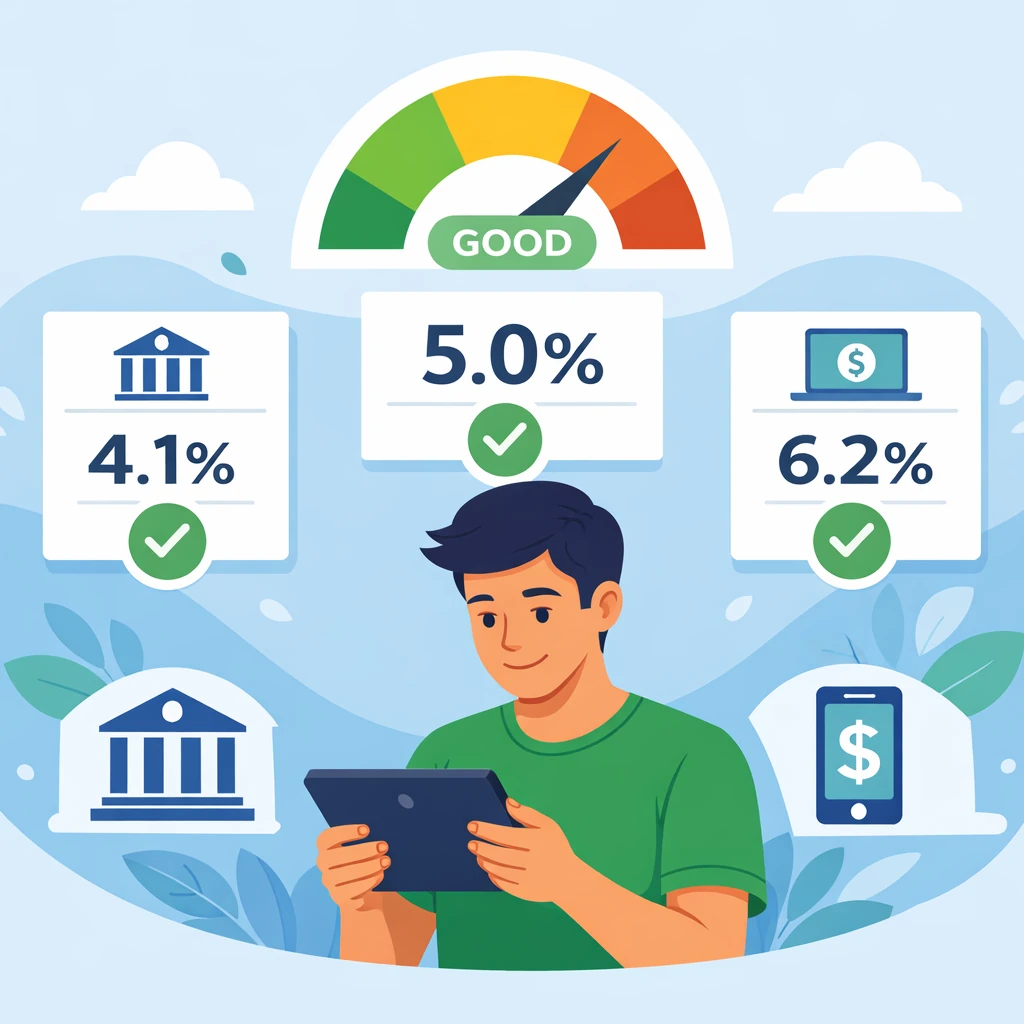
- Why It’s a Top Pick: Upgrade is more accessible than many other lenders on this list. They offer a free credit monitoring tool and will pay your creditors directly when you take out a consolidation loan. For borrowers with “good” credit at the lower end (around 660-700), they can often secure a rate that beats their existing credit card debt .
- Watch Out For: The main drawback is the origination fee, which can be as high as 9.99% and is deducted from your loan proceeds. This can significantly eat into the loan amount you actually receive .
- best cash envelope system wallets 2024
How to Compare the Best Debt Consolidation Loans for Good Credit 2024
Choosing the right loan is about more than just picking the lowest advertised rate. Here is what you need to compare to find the truly best debt consolidation loans for good credit 2024.
Interest Rates (APR) vs. Fees
The Annual Percentage Rate (APR) is your true cost of borrowing, as it includes both the interest rate and any lender fees.
- The Low Rate Trap: A lender might advertise a low interest rate but charge a high origination fee (e.g., 5% of the loan amount). Another lender might have a slightly higher rate but zero fees.
- How to Compare: Always look at the APR, not just the interest rate. For example, with Upgrade, the low advertised rate might become less attractive after accounting for their origination fee . Lenders like LightStream, SoFi, and Discover are often winners in this category because they charge no fees at all .
Loan Terms and Monthly Payment
The loan term is the length of time you have to repay the loan.
- Shorter Terms (2-3 years): Higher monthly payments, but you pay significantly less interest over the life of the loan.
- Longer Terms (5-7 years): Lower monthly payments, which can help with cash flow, but you will pay much more in total interest.
- Best Practice: Choose the shortest term you can comfortably afford. LightStream and SoFi offer great flexibility, with terms ranging from 2 to 7 years, allowing you to find the right balance .
Funding Speed and Customer Service
If you are looking to eliminate debt quickly, funding speed matters.
- Same-Day/Next-Day: LightStream and Discover are leaders in fast funding .
- A Few Days: Most other lenders, including SoFi and Upgrade, typically take a few business days .
- how to save for a house down payment in 2 years
Step-by-Step Guide to Getting a Debt Consolidation Loan
Here is how to secure one of the best debt consolidation loans for good credit 2024.
- Check Your Credit Score: Know your score for free through services like Credit Karma or your bank’s app. This will tell you which lenders you are likely to qualify with .
- Calculate Your Total Debt: Add up all the balances you want to consolidate. This is the loan amount you will need to request.
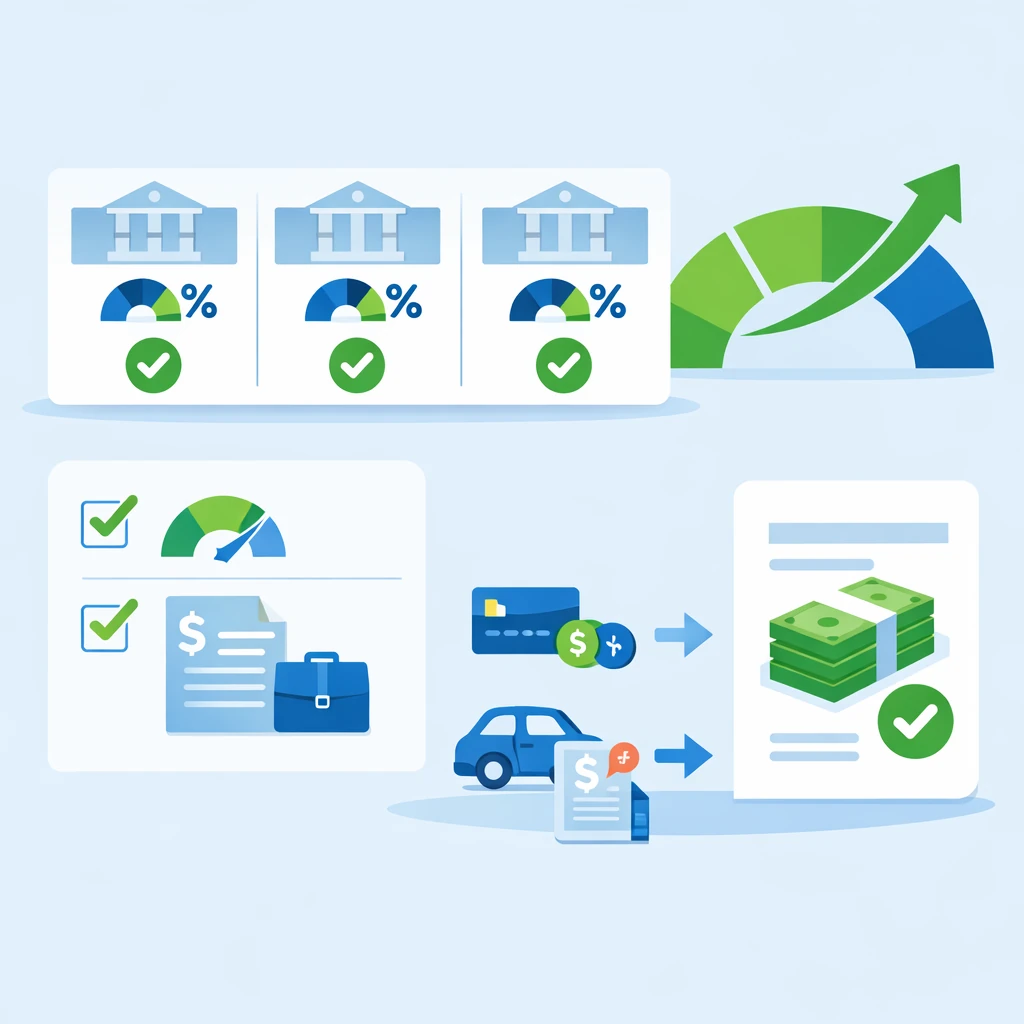
- Prequalify with Multiple Lenders: Use the list above and visit the lender websites. Use their prequalification tools (which use a soft credit pull and won’t hurt your score) to see your estimated rates and terms .
- Compare Your Offers: Create a simple spreadsheet. Compare the APR, monthly payment, total interest cost, and any fees for each offer you receive.
- Choose the Best Offer and Apply: Select the loan that offers the best overall value, not just the lowest monthly payment. Complete the full application, which will then trigger a hard credit inquiry .
- Provide Documentation: Be ready to upload documents like pay stubs, W-2s, or bank statements to verify your income and identity .
- Sign and Fund: Review the final loan documents carefully, sign them, and the lender will disburse the funds—either to you or directly to your creditors .
- how to stop impulse buying online
The Pros and Cons of Debt Consolidation
Pros:
- Simplified Finances: One monthly payment instead of many .
- Lower Interest Rates: The primary goal is to secure a lower APR and save money .
- Fixed Repayment Schedule: You know exactly when the debt will be paid off if you stick to the term .
- Potential Credit Score Boost: Paying off revolving credit cards can lower your credit utilization, which can boost your score .
Cons:
- Potential Fees: Origination fees can eat into your savings .
- Risk of Accumulating More Debt: Consolidation only pays off old debt; if you then rack up new credit card balances, you’ll be in a worse position .
- Longer Terms Can Cost More: Extending your repayment term to lower the monthly payment can result in paying more total interest over time .
- what is dollar-cost averaging and how to set it up
Alternatives to Debt Consolidation Loans
If a personal loan isn’t right for you, consider these alternatives:
- Balance Transfer Credit Card: If you have good credit, you might qualify for a card with a 0% introductory APR on balance transfers for 12-21 months. This can be a great, interest-free way to pay down debt, but you’ll need to pay it off before the promotional period ends .
- Home Equity Loan or HELOC: If you are a homeowner, you can tap into your home’s equity at a low rate. However, this loan is secured by your home, meaning you could face foreclosure if you default. This is a riskier option .
- Debt Management Plan (DMP): A nonprofit credit counseling agency can help set up a DMP. They negotiate with your creditors to lower interest rates, and you make a single monthly payment to the agency. This can be very effective but usually requires closing your credit card accounts .
- how to open a brokerage account for the first time
Frequently Asked Questions (FAQs)
1. What credit score do I need for the best debt consolidation loans for good credit 2024?
To qualify for the top-tier rates and lenders featured in this guide, you generally need a credit score of 660 or higher . Lenders like LightStream and SoFi prefer scores in the 680-695 range and above .
2. Will applying for a debt consolidation loan hurt my credit score?
It depends on the stage. Prequalification uses a soft inquiry and does not affect your score. However, when you formally apply for the loan, the lender will perform a hard inquiry, which can temporarily lower your score by a few points. Making on-time payments on your new loan will help your score recover and grow over time .
3. How much can I borrow with a debt consolidation loan?
Loan amounts vary by lender. For borrowers with good credit, you can typically borrow anywhere from $2,500 to $100,000. LightStream and SoFi offer the highest amounts (up to $100,000), while lenders like Discover and Citi have lower maximums .
4. How is a debt consolidation loan different from a balance transfer card?
A debt consolidation loan provides a lump sum of cash that you use to pay off debts. You then repay that loan in fixed monthly installments over a set term. A balance transfer card involves moving existing credit card balances to a new card, often with a 0% introductory APR for a limited time. Loans are better for larger debts and longer payoff timelines; cards are better for smaller debts you can pay off quickly .
5. Can I use a debt consolidation loan for any type of debt?
Yes, most personal loans can be used to consolidate various types of debt, including credit cards, medical bills, and other personal loans. However, some lenders, like Happy Money, specifically focus on credit card debt .
6. How long does it take to get a debt consolidation loan?
The timeline varies. With lenders like LightStream and Discover, you can get funded as soon as the same or next business day after approval . With other lenders, it might take a few business days for the funds to hit your account.
7. What happens if I miss a payment on my consolidation loan?
Missing a payment can result in late fees (though some lenders like SoFi and LightStream don’t charge them). More importantly, it will be reported to the credit bureaus, damaging your credit score. Consistent late payments can eventually lead to default.
8. Should I close my credit card accounts after I pay them off with a consolidation loan?
This is a common question. Closing accounts reduces your total available credit, which can increase your credit utilization ratio and potentially lower your score. A good strategy is to keep the accounts open (especially old ones with good history) but cut up the cards or put them away to avoid the temptation of racking up new debt .
Conclusion: Secure Your Financial Future Today
If you have good credit, you are in the driver’s seat. The market for the best debt consolidation loans for good credit 2024 is highly competitive, and lenders are eager for your business. By taking the time to compare top lenders like LightStream, SoFi, and Discover, you can secure a loan that not only simplifies your monthly bills but also saves you a substantial amount of money.
Don’t let high-interest debt continue to drain your finances. You have earned your good credit score—now it’s time to use it. Review your budget, calculate your total debt, and start the prequalification process with a few of the lenders listed above. The path to a debt-free future is clearer and more affordable than you think. Take the first step today.