The Ultimate Guide: How to Build Credit from Scratch with No Credit History
By Peiman Daneshgar
Table of Contents
- Introduction: The Catch-22 of Starting Out
- What Does It Mean to Have No Credit History?
- Why Building Credit Matters in 2026
- The Five Pillars of Your Credit Score
- Method 1: Start with a Secured Credit Card
- Method 2: Become an Authorized User
- Method 3: Take Out a Credit-Builder Loan
- Method 4: Use Alternative Data with Experian Boost
- Method 5: Consider a Retail or Student Credit Card
- The First Six Months: A Timeline for Success
- Good Habits That Build Credit Fast
- Common Mistakes to Avoid
- Frequently Asked Questions
- Conclusion
Introduction: The Catch-22 of Starting Out
how to build credit from scratch with no credit history: you need credit to get credit. Lenders want to see a history of responsible borrowing before they’ll approve you, but you can’t build that history without first being approved. This “catch-22” leaves many young adults, new immigrants, and those who’ve always used cash wondering how to build credit from scratch with no credit history.
The good news is that this challenge is surmountable. In 2026, there are more tools and pathways than ever before for the “credit invisible” to establish a solid financial foundation. From secured cards that require minimal deposits to innovative services that count your utility bills as creditworthy activity, the options are accessible and effective .
This comprehensive guide will walk you through every step of how to build credit from scratch with no credit history. You’ll learn the mechanics of credit scoring, the specific products designed for beginners, and the habits that will turn a thin file into a strong score. Whether you’re a recent graduate, a new American, or someone who has simply avoided debt, this roadmap will get you started on the right foot.
What Does It Mean to Have No Credit History?
Having no credit history means that the three major credit bureaus—Experian, Equifax, and TransUnion—have no information on file about how you’ve managed credit . If you’ve never had a credit card, never taken out a loan, and never been listed as an authorized user on someone else’s account, you likely fall into this category.
how to stop impulse buying online
The “Credit Invisible” Population
People with no credit history are sometimes referred to as “credit invisible.” Without a credit history, you don’t have a credit report, and without a credit report, you don’t have credit scores . This doesn’t mean you’re irresponsible—it simply means the system hasn’t yet collected data on your financial behavior.
Common Reasons for No Credit History
Everyone’s situation is unique, but several common scenarios lead to having no credit history :
- You’re young and just starting out: Many high school and college students haven’t yet opened their first credit account
- You’ve always used cash or debit: Some people prefer to avoid debt entirely, which means they’ve never borrowed money
- You’re new to the country: Immigrants often arrive with strong financial habits but no U.S. credit history
- Your accounts aren’t being reported: Occasionally, people have credit accounts, but their activity isn’t being reported to the bureaus
- Your accounts are too new: Even if you just opened an account, it may take a few months for it to appear on your credit report
The Drawbacks of No Credit History
Being credit invisible can affect you in several significant ways :
- Credit cards and loans: Lenders use your credit history to decide whether to lend you money. Without a history, you’re less likely to be approved for credit cards, personal loans, or mortgages
- Housing: Landlords often require a minimum credit score to rent an apartment. A thin file could mean denial or a larger security deposit
- Jobs: Some employers run credit checks as part of the hiring process, particularly for positions involving financial responsibility
- Insurance premiums: In many states, insurers use credit-based scores to set auto and home insurance rates
- Utilities: Without credit history, utility companies may require a deposit to establish service
- how to save for a house down payment in 2 years
Why Building Credit Matters in 2026
The importance of good credit has only grown over time. In 2026, your credit score affects more aspects of your financial life than ever before.
What’s a “Good” Score in 2026?
FICO scores range from 300 to 850. Here’s how they break down in 2026 :
| Score Range | Rating | What It Means |
|---|---|---|
| 800-850 | Exceptional | You’ll qualify for the best rates and terms |
| 740-799 | Very Good | Above-average borrower; most lenders will offer competitive rates |
| 670-739 | Good | Low risk to lenders; generally qualifies for favorable terms |
| 580-669 | Fair | Subprime borrower; may face higher rates and stricter requirements |
| 300-579 | Poor | Significant challenges qualifying for credit |
A score of 670 or higher is considered “Good” and unlocks lower interest rates and better financial opportunities .
The Financial Impact of Good Credit
The difference between fair credit (around 650) and good credit (around 750) can amount to tens of thousands of dollars over a lifetime. On a $300,000 mortgage, for example, the difference in interest rates could mean paying an extra $50,000 or more over the life of the loan.
Beyond borrowing, good credit can mean :
- Lower insurance premiums
- Smaller security deposits for apartments and utilities
- Better chances of approval for rental applications
- More favorable terms on cell phone plans
- zero-based budgeting vs. 50/30/20 rule
The Five Pillars of Your Credit Score
Before diving into how to build credit from scratch with no credit history, it’s essential to understand what you’re trying to build. The FICO score, used by 90% of top lenders, is calculated based on five factors :
1. Payment History (35% of Your Score)
This is the most important factor. Lenders want to see that you consistently pay your bills on time. A single missed payment can stay on your credit report for seven years and significantly impact your score .
What matters: Whether you pay on time, how recent any missed payments are, and how severe the delinquencies were.

2. Amounts Owed (30% of Your Score)
This factor looks at your credit utilization ratio—the amount you owe compared to your available credit. For credit cards, you want to keep your balances low relative to your limits .
The 30% rule: Aim to use no more than 30% of your available credit at any time. If you have a $1,000 limit, keep your balance below $300 .
3. Length of Credit History (15% of Your Score)
This considers how long you’ve had credit accounts. Generally, a longer history is better. This is why it’s important to start building credit early and keep old accounts open even if you don’t use them much .
4. Credit Mix (10% of Your Score)
Having different types of credit—credit cards, installment loans, mortgages—shows you can manage various financial products. For beginners, don’t worry too much about this factor; it will develop naturally over time .
best cash envelope system wallets 2024
5. New Credit (10% of Your Score)
Opening several new accounts in a short period can hurt your score because it looks risky to lenders. Each application triggers a “hard inquiry,” which temporarily lowers your score by a few points .
Method 1: Start with a Secured Credit Card
The most reliable and effective way to begin how to build credit from scratch with no credit history is with a secured credit card .
What Is a Secured Credit Card?
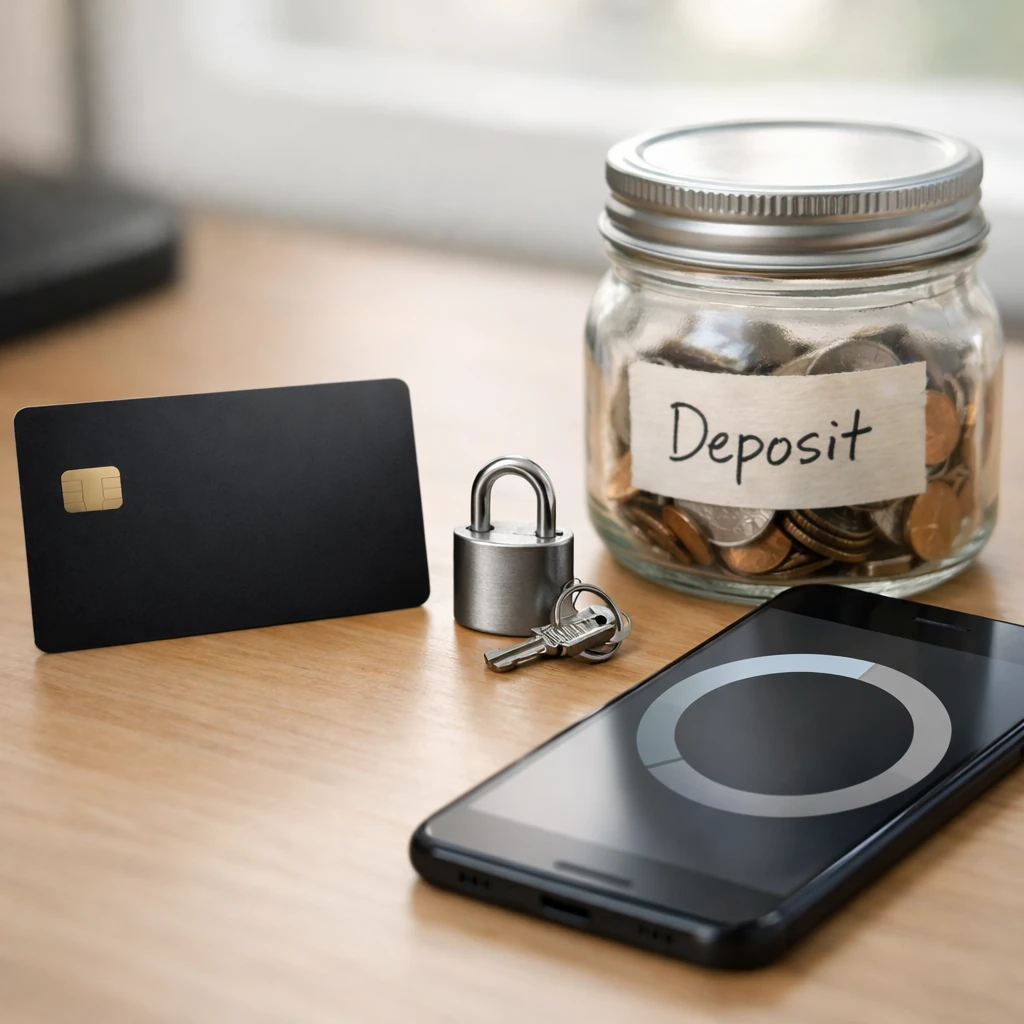
A secured credit card is backed by a refundable security deposit that you make when you open the account. This deposit acts as collateral, reducing the risk for the issuer and making approval possible even with no credit history .
How it works:
- You make a security deposit (typically $200 minimum)
- Your credit limit is usually equal to your deposit
- You use the card like any other credit card
- You make monthly payments on time
- Your payment activity is reported to the credit bureaus
- After 6-12 months of responsible use, you may qualify to “graduate” to an unsecured card and get your deposit back
Best Secured Credit Cards of 2026
Here are the top secured card options for building credit in 2026 :
Capital One Platinum Secured Credit Card
Best for: Low initial deposit requirements
This card stands out because it doesn’t have a strict dollar-for-dollar policy. Some qualified applicants can get a $200 credit line with as little as a $49 or $99 deposit .
- Minimum deposit: $49, $99, or $200 for a $200 starting line
- Annual fee: $0
- APR: Around 28.99% (typical for secured cards)
- Rewards: None (focuses purely on credit building)
- Reporting: Reports to all three bureaus
- Upgrade path: Account reviewed for higher limit after six months
- sinking funds: what are they and how to set them up
Discover it® Secured Credit Card
Best for: Earning cash back while building credit
Discover offers unusual perks for a secured card, including cash back rewards and a dollar-for-dollar match at the end of your first year .
- Minimum deposit: $200 for a $200 line (can deposit up to $2,500)
- Annual fee: $0
- Rewards: 2% cash back at gas stations and restaurants (on up to $1,000 in combined purchases each quarter), 1% on everything else; Discover matches all cash back earned at the end of the first year
- Reporting: Reports to all three bureaus
- Upgrade path: Automatic monthly reviews begin at 7 months
Capital One Quicksilver Secured Cash Rewards
Best for: Simple flat-rate cash back
If you want to earn rewards while rebuilding, this card offers unlimited 1.5% cash back on all purchases .
- Minimum deposit: $200 for a $200 line
- Annual fee: $0
- Rewards: 1.5% unlimited cash back on all purchases, 5% back on hotels and rental cars booked through Capital One Travel
- Reporting: Reports to all three bureaus
- Upgrade path: Account reviewed for higher limit after six months
- money saving challenges for couples
Chime Credit Builder Visa® Secured Card
Best for: No credit check and flexible deposits
This card is different from traditional secured cards. It requires no credit check, has no deposit minimum, and you can only spend what you’ve already transferred to the secured account .
- Deposit: No fixed requirement; you transfer funds to a secured account, which becomes your credit line
- Annual fee: $0
- Interest: No interest charges because you’re spending your own money
- Rewards: 1.5% cash back on eligible purchases
- Reporting: Reports to all three bureaus
- Special feature: “Safer Credit Building” automatically pays your balance from your secured account, ensuring you never miss a payment
How to Choose the Right Secured Card
When evaluating secured cards, consider these factors :
- Look for 3-bureau reporting: Ensure the issuer reports to all three credit bureaus (Experian, Equifax, and TransUnion)
- Check the minimum deposit: Make sure you can afford the required deposit
- Watch out for fees: Compare annual fees and other charges
- Consider upgrade potential: Some issuers make it easier to graduate to an unsecured card
Method 2: Become an Authorized User
One of the easiest ways to begin how to build credit from scratch with no credit history is to piggyback on someone else’s good credit by becoming an authorized user on their credit card account .
How Authorized User Status Works
When you’re added as an authorized user to someone else’s credit card, the account’s activity is reported on your credit reports. This means you can benefit from the primary cardholder’s positive payment history, length of credit history, and responsible credit management .
Important: Not all credit card issuers report authorized user activity to the credit bureaus, so check with the issuer first.
how to save money on a tight income
Finding the Right Person to Add You
The ideal candidate is a trusted family member or friend who :
- Has a long history of on-time payments
- Maintains low credit utilization (balances well below their credit limits)
- Has a strong credit score
- Will continue managing the account responsibly
The Risks to Consider
Becoming an authorized user can backfire if the primary cardholder mismanages the account. Late payments or high balances will also appear on your credit report and could damage your score . Only accept this arrangement if you fully trust the primary account holder to remain responsible.
Best Cards for Authorized Users in 2026
Some credit cards are particularly well-suited for authorized user arrangements. The Capital One Venture X Rewards Credit Card is a top choice because it allows you to add authorized users for free (no additional annual fee), and authorized users can earn unlimited 2X miles on their spending . The Blue Cash Preferred® Card from American Express is another excellent option for families, as authorized user spending earns the same high cash back rates (6% at U.S. supermarkets) .
Method 3: Take Out a Credit-Builder Loan
Credit-builder loans are specialized products designed specifically for people with no credit history or damaged credit .
How Credit-Builder Loans Work
Unlike a traditional loan where you receive money upfront and then pay it back, a credit-builder loan works in reverse :
- The lender sets aside a fixed amount of money (typically $300 to $1,000) in a secured account
- You make monthly payments to the lender for a set term (usually 6 to 24 months)
- Your payments are reported to the credit bureaus, helping you build a positive payment history
- Once you’ve paid off the loan, you receive the money
- 50/30/20 rule calculator excel template free
Where to Find Credit-Builder Loans
Credit-builder loans are available from several types of institutions :
- Credit unions: Often the most affordable option
- Community banks: May offer better terms than major banks
- Online lenders: Companies like Self and CreditStrong specialize in credit-builder products
- Fintech apps: MoneyLion and similar platforms offer credit-builder options
Pros and Cons of Credit-Builder Loans
Pros :
- Requires no credit history for approval
- Builds payment history (35% of your score)
- Adds to your credit mix (10% of your score)
- You get the money at the end (forced savings)
Cons :
- You pay interest and sometimes fees
- You don’t get immediate access to funds
- Missed payments can hurt your credit
- best budgeting method for irregular income
What to Look for in a Credit-Builder Loan
Before signing up, confirm that :
- The lender reports to all three credit bureaus
- The monthly payment fits your budget
- The interest rate and fees are reasonable
- You understand the full repayment timeline
Method 4: Use Alternative Data with Experian Boost
Innovations in credit scoring have created new pathways for how to build credit from scratch with no credit history. Experian Boost, launched in 2019 and refined through 2026, allows you to get credit for bills you’re already paying .
What Is Experian Boost?
Experian Boost is a free service that lets you add positive payment history for utility bills, cell phone bills, and even streaming services to your Experian credit file . These payments aren’t normally included in credit reports, so they don’t typically benefit your credit scores.
How It Works
The process is simple and takes just minutes :
- Create a free Experian account and connect your bank account
- Experian scans your bank account to identify qualifying on-time payments (cell phone, utilities, and streaming services)
- You verify which payments to include on your Experian credit file
- Your FICO score is immediately recalculated based on the additional positive data
Important: Experian Boost only searches for on-time payments. If you’ve missed payments, those won’t be added to your report, so there’s no downside .
How Much Can It Help?
Experian Boost has helped more than 1 million Americans increase their credit scores. According to Experian’s data :
- 61% of users increased their FICO scores by an average of 13 points
- 64% of users went from having a “very poor” score to a “fair” score
- 86% of users with thin credit files saw score increases
The Limitations
Experian Boost only affects your Experian credit report, not Equifax or TransUnion . When a lender checks your credit, they may pull from any of the three bureaus. If they pull from Equifax or TransUnion, your boosted score won’t be visible.
Method 5: Consider a Retail or Student Credit Card
If you’re not ready for a secured card and don’t have someone to add you as an authorized user, retail store cards or student cards might be an option .
Retail Store Credit Cards
Many retail stores offer credit cards that may have more lenient qualification requirements than general-purpose cards .
Advantages:
- Easier to qualify for with no credit history
- Often offer discounts and rewards at the store
Disadvantages:
- Higher interest rates than traditional cards
- Lower credit limits
- May only be usable at that specific retailer
- Some store cards don’t report to all three bureaus
Before applying: Confirm that the card issuer reports your activity to the credit bureaus. If they don’t report, the card won’t help you build credit .
Student Credit Cards
If you’re enrolled in college, a student credit card is specifically designed for your situation .
Features:
- Targeted at students with limited credit history
- May offer rewards tailored to student spending
- Often have lower credit limits
- Typically report to credit bureaus
Eligibility: You usually need to be a student at an accredited university, community college, or other higher education institution .
how to create a budget for beginners step by step
The First Six Months: A Timeline for Success
Building credit takes time, but with consistent habits, you can establish a solid foundation within six months. Here’s what to expect :
Month 1: Get Started
- Open a secured credit card or credit-builder loan
- If using a secured card, make a small purchase (under 30% of your limit)
- Set up automatic payments to ensure you never miss a due date
Month 2-3: Establish Patterns
- Continue using your card for small, budgeted purchases
- Pay the full statement balance each month
- Check your credit score through free tools like CreditWise or your card issuer’s app
Month 4-5: Build Momentum
- Your first credit score may appear once you have 3-6 months of history
- Continue perfect payment history
- Avoid applying for new credit
Month 6: Evaluate Progress
- Many issuers review accounts for potential credit line increases or graduation to unsecured cards
- If you haven’t seen a score yet, be patient—it can take 6-12 months
- Consider applying for a second small credit line if your score has established
Month 12: Milestone Achieved
- With consistent on-time payments, you should have a FICO score in the “fair” to “good” range
- You may qualify for an unsecured card with better rewards and terms
- You’ve successfully built credit from scratch
Good Habits That Build Credit Fast
Once you’ve established your first credit accounts, these habits will accelerate your progress :
1. Always Pay on Time
Payment history is 35% of your score—the single most important factor. Set up automatic payments for at least the minimum amount due, and try to pay the full statement balance to avoid interest .
2. Keep Credit Utilization Low
Your credit utilization ratio (balances divided by limits) accounts for 30% of your score. Aim to use no more than 30% of your available credit at any time. If your limit is $500, keep your balance below $150 .
3. Create a Budget
Building credit works best when combined with overall financial health. Create a budget that helps you spend within your means and ensures you always have money for your credit payments .
4. Don’t Apply for Too Much Credit
Each credit application triggers a hard inquiry, which temporarily lowers your score by a few points. Space out applications and only apply for credit you genuinely need .
5. Monitor Your Credit
Regular monitoring helps you track progress and spot errors that could affect your scores. You’re entitled to a free credit report from each bureau annually at www.annualcreditreport.com .
6. Keep Old Accounts Open
Length of credit history matters. Once you’ve established accounts, keep them open even if you don’t use them much. Closing accounts can hurt your score by reducing your available credit and average account age .
Common Mistakes to Avoid
When learning how to build credit from scratch with no credit history, be aware of these pitfalls :
Mistake 1: Maxing Out Your Card
Just because you have a credit limit doesn’t mean you should use it all. Maxing out your card drives up your utilization ratio and can significantly hurt your score.
Mistake 2: Missing a Payment
Even one missed payment can damage your credit and stay on your report for seven years. Set up automatic payments or calendar reminders to avoid this.
Mistake 3: Closing Your First Account
Once you graduate to better cards, don’t close your first card. It’s likely your oldest account, and closing it shortens your credit history.
Mistake 4: Applying for Multiple Cards at Once
Each application creates a hard inquiry. Multiple applications in a short period make you look risky to lenders and can lower your score.
Mistake 5: Ignoring Your Credit Reports
Errors on credit reports are surprisingly common. Consumer Reports found that complaints about incorrect information have increased significantly since 2021 . Check your reports regularly and dispute any errors.
Mistake 6: Falling for Prepaid Cards
Prepaid cards (where you load money and spend it) generally don’t report to credit bureaus and won’t help you build credit. Stick to secured cards or other products designed for credit building .
Mistake 7: Co-signing Without Caution
Co-signing a loan for someone else makes you legally responsible for the debt. If they miss payments, your credit suffers. Only co-sign if you’re prepared to pay the debt yourself.
Frequently Asked Questions
Q1: How long does it take to build credit from scratch?
With consistent on-time payments, you can expect to see your first credit score after about 6 months of credit activity. Significant rebuilding typically takes 6 to 12 months of consistent, on-time payments .
Q2: Can I build credit with no credit history and no job?
You need some form of income to qualify for most credit products, but it doesn’t have to be traditional employment. Part-time work, freelance income, or even regular deposits from family can be sufficient for some secured cards.
Q3: Does checking my own credit score lower it?
No. Checking your own credit score through free services or annualcreditreport.com is a “soft inquiry” and does not affect your credit at all .
Q4: What’s the fastest way to build credit from scratch?
The fastest path typically combines multiple approaches: open a secured credit card, become an authorized user on a trusted person’s account, and use Experian Boost to add utility payments to your Experian file .
Q5: Can I build credit without a credit card?
Yes. Credit-builder loans, becoming an authorized user, and services like Experian Boost can all help you build credit without opening your own credit card .
Q6: What credit score do I start with?
You don’t start with a score—you start with no score at all. Your first score appears once you have at least one account that’s been open and reporting for 3-6 months.
Q7: Is a secured credit card worth it?
Absolutely. Secured cards are the most reliable and effective tool for building credit from scratch. Your deposit is refundable, and with responsible use, you can graduate to an unsecured card within a year .
Q8: How much should I spend on my first credit card?
Spend only what you can afford to pay off in full each month, and keep your utilization below 30%. If your limit is $500, aim to keep your balance under $150 .
Q9: What’s the difference between a secured card and a prepaid card?
A secured card is a real credit card backed by a deposit, and it reports your activity to credit bureaus. A prepaid card is just a reloadable debit card that doesn’t report to bureaus and won’t build credit .
Q10: Can I get a mortgage with no credit history?
It’s challenging but possible. Some lenders offer manual underwriting, where they evaluate your financial history through alternative means like rent and utility payments. However, building a traditional credit history first is usually easier.
Q11: Does rent payments build credit?
Not automatically. Rent payments aren’t typically reported to credit bureaus. However, third-party services can report your rent payments for a fee, and Experian Boost can potentially capture them if they appear in your bank account .
Q12: What if I’m denied for a secured card?
Some secured cards, like the Chime Credit Builder Visa, don’t require a credit check at all . You can also try a credit-builder loan or ask a trusted family member to add you as an authorized user.
Q13: How does the 30% utilization rule work?
Credit utilization is calculated both per card and overall. Keep each individual card’s balance below 30% of its limit, and keep your total balances across all cards below 30% of your total available credit .
Q14: Can I build credit if I’m not a U.S. citizen?
Yes. You don’t need to be a citizen to build U.S. credit. An Individual Taxpayer Identification Number (ITIN) can sometimes be used instead of a Social Security number to apply for credit products designed for credit building.
Q15: What happens if I miss a payment?
A missed payment can stay on your credit report for seven years and significantly lower your score. If you miss a payment, make it as soon as possible and contact your lender to ask if they’ll waive any fees or not report it to the bureaus.
Conclusion
Learning how to build credit from scratch with no credit history may seem daunting, but the path is clear and well-traveled. Millions of Americans have started exactly where you are and built scores that opened doors to better financial opportunities.
The journey begins with a single step: opening a secured credit card, becoming an authorized user, or taking out a credit-builder loan. From there, consistent habits—paying on time, keeping balances low, and monitoring your progress—will gradually transform your thin file into a robust credit history.
Remember that building credit is a marathon, not a sprint. Minor improvements can be seen in 30 days, but significant rebuilding typically takes 6 to 12 months of consistent, on-time payments . Be patient with the process and celebrate small victories along the way.
Your credit score is not your identity—it’s simply a performance metric within the credit system . By understanding how the system works and using the tools available in 2026, you can take control of your financial future and make your credit score work for you.
Start today. Open that secured card, set up automatic payments, and begin your journey toward financial independence. Your future self will thank you.