Author: Peiman Daneshgar
Email: daneshgar781@gmail.com
Estimated reading time: 5 minutes
Table of contents
- 1. Why We Spend Emotionally
- 2. The “Feel-Good” Dopamine Loop
- 3. Common Emotional Spending Triggers
- 4. Identifying Your Personal Triggers
- 5. Strategies to Pause and Reflect
- 6. Non-Spending Alternatives for Emotional Regulation
- 7. How to Create a “Buffer” Against Impulse Purchases
- 8. Frequently Asked Questions
- 9. Final Thoughts
1. Why We Spend Emotionally
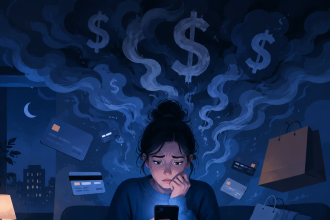
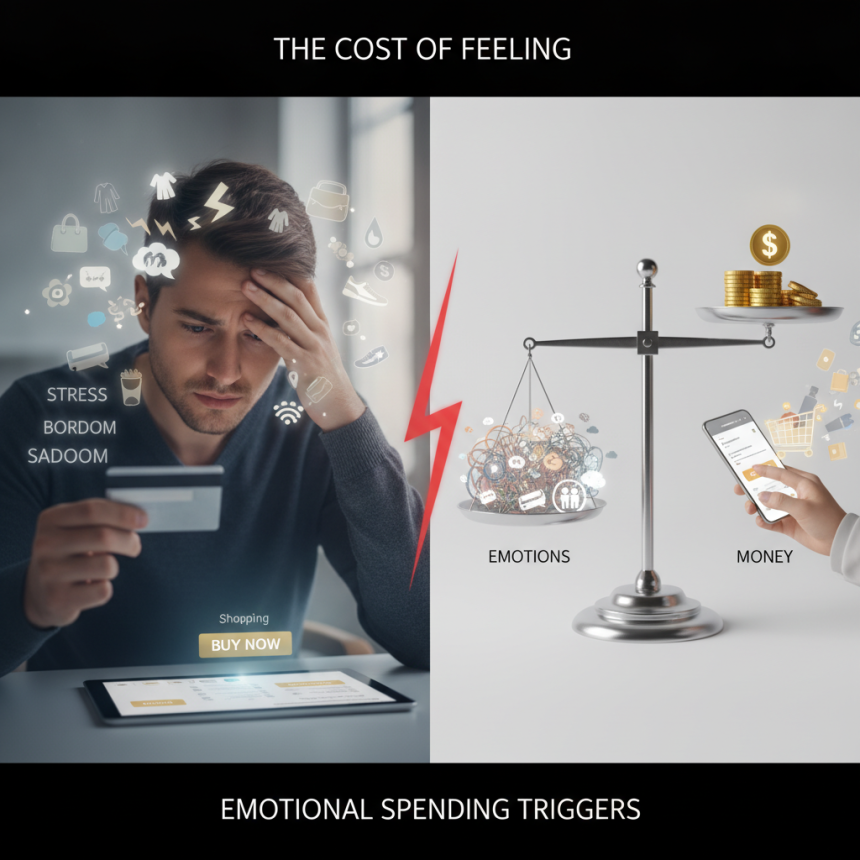
Emotional spending is the act of buying items to alleviate feelings like stress, sadness, loneliness, or even extreme happiness.
For many, shopping serves as a temporary distraction from internal discomfort. The act of purchasing offers a sense of control and a short-term mood boost, but it often leads to long-term regret and financial stress.
2. The “Feel-Good” Dopamine Loop
When we shop, our brain’s reward system releases dopamine. This chemical makes us feel anticipation, excitement, and temporary pleasure.
The danger is that this sensation is transient. As soon as the item is purchased or delivered, the dopamine levels drop. This “crash” often leads to buyer’s remorse, which creates more negative emotions—and sometimes, the urge to shop all over again to feel better.
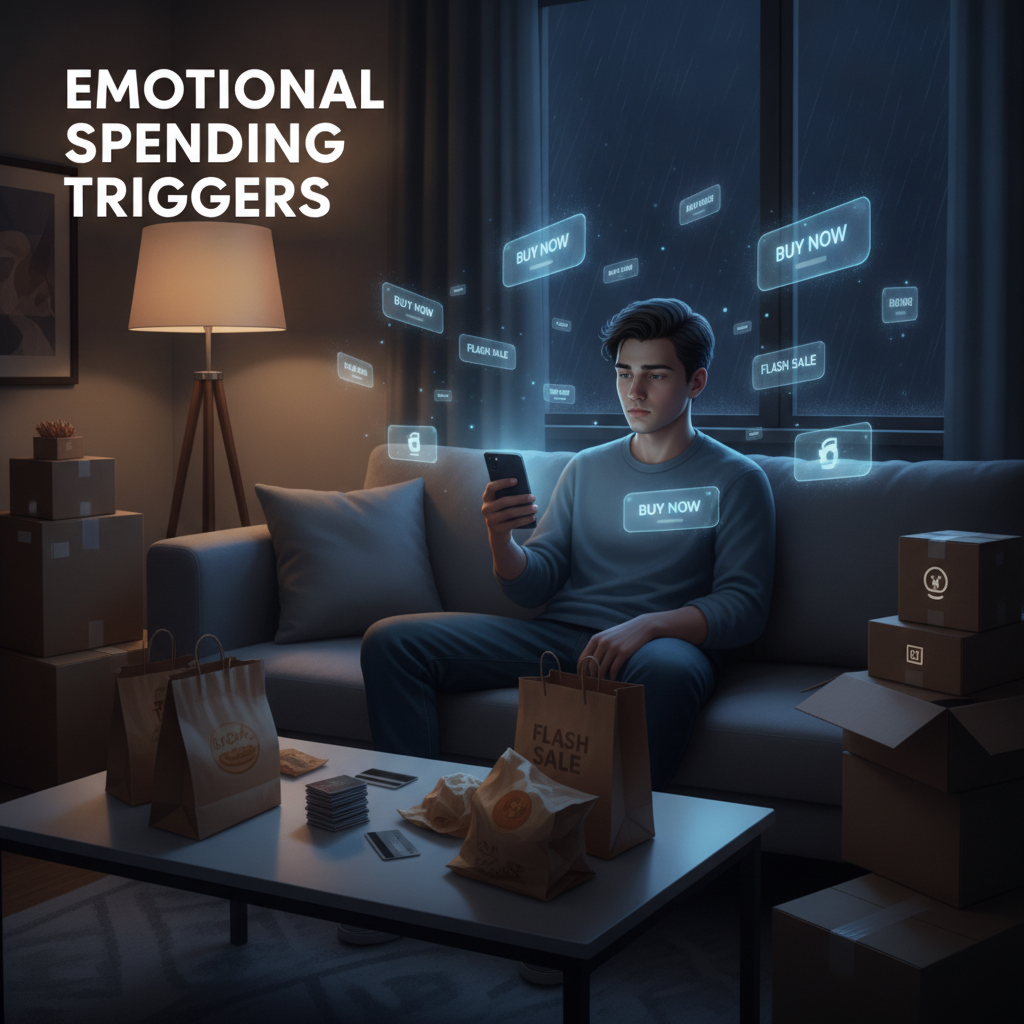
3. Common Emotional Spending Triggers
Recognizing the emotional state that precedes a purchase is the first step toward stopping it. Here are the most frequent triggers:
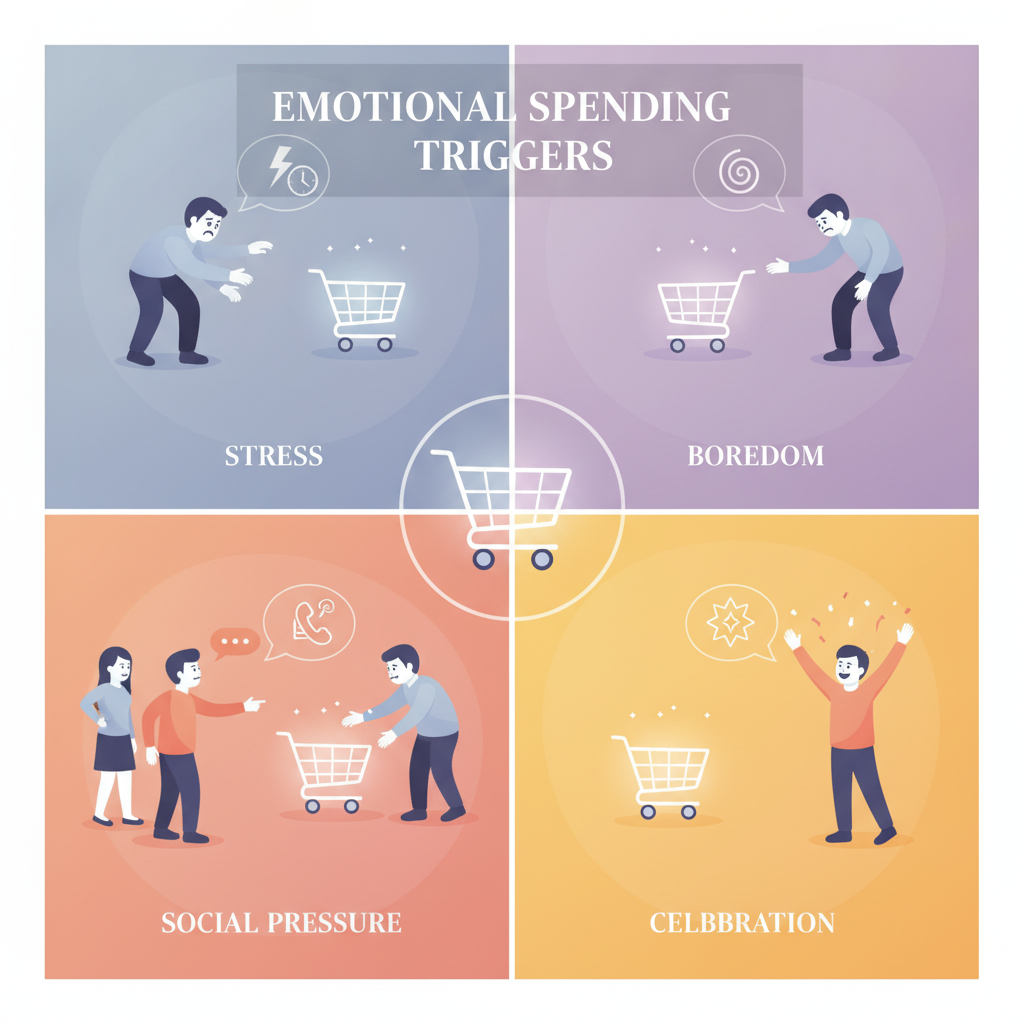
- Stress and Overwhelm: Using shopping to “treat yourself” after a difficult day at work or a taxing personal situation.
- Loneliness: Seeking a connection with products, browsing social media, or buying items to feel “seen” or part of a trend.
- Boredom: Shopping as a hobby or a way to fill empty hours.
- Celebration/Reward: Overspending because you had a “win,” using money to amplify your happiness.
- Insecurity (FOMO): Purchasing items to fit into a certain lifestyle or to keep up with friends/influencers.
- Anger or Frustration: Shopping as a way to reclaim power or “take control” when you feel powerless in other areas of life.
- Saving vs Investing: Understanding the Key Differences
4. Identifying Your Personal Triggers
To uncover your triggers, try the “HALT” method before you click “buy.” Ask yourself: Am I Hungry, Angry, Lonely, or Tired?
Additionally, keep a Spending Log for one week. For every purchase, write down:
- What did I buy?
- How did I feel 5 minutes before the purchase?
- How did I feel 5 minutes after the purchase?
You will likely see a clear pattern linking specific moods to your spending habits.
5. Strategies to Pause and Reflect
When you feel the urge to spend due to an emotion:
- The 15-Minute Rule: If you feel the urge, force yourself to step away from your phone or computer for 15 minutes. Do something completely unrelated.
- Change Your Environment: If you are browsing on your phone in bed, stand up, go to another room, and drink a glass of water.
- Label the Emotion: Literally say out loud: “I am not looking for this item; I am looking to reduce my stress.” Acknowledging the emotion often weakens its power over your actions.
- Cash Stuffing Method Explained
6. Non-Spending Alternatives for Emotional Regulation
If you shop to regulate your emotions, replace the action with a healthier habit:
- If you are Stressed: Try deep breathing, a quick workout, or writing in a journal.
- If you are Bored: Call a friend, watch a documentary, or clean a small area of your home.
- If you are Lonely: Visit a public space, reach out to a loved one, or engage in a community activity.
- If you want a Reward: Treat yourself with something free, like a long walk, a bath, or a favorite movie you already own.
- How to Save $1,000 in 30 Days
7. How to Create a “Buffer” Against Impulse Purchases
- Implement a “Cool-Down” Period: Commit to a 24-hour wait for all non-essential items, no matter how cheap they are.
- Use a “Digital Barrier”: Delete saved credit card information from your devices so you cannot purchase instantly.
- Visual Reminders: Place a note on your phone screen or computer monitor that lists your actual financial goals (e.g., “Saving for my dream trip,” “Building my safety net”).
- Saving for a House Deposit
8. Frequently Asked Questions
Is emotional spending the same as a shopping addiction?
Not necessarily, but repeated emotional spending can become a destructive habit. If you feel that shopping is negatively impacting your quality of life, speaking with a professional can be very helpful.
How do I break the cycle of “rewarding” myself?
Redefine what a reward is. A reward should be something that genuinely rejuvenates you (like time off or rest) rather than something that drains your bank account.
Can I ever shop when I’m feeling down?
It is better to avoid shopping when your emotions are intense. Try to stick to planned, budgeted shopping only.
9. Final Thoughts
Understanding your emotional spending triggers is an act of self-kindness, دانا پدیا. By learning what drives your impulse to buy, you stop reacting to fleeting feelings and start making decisions that align with your long-term goals. Next time you feel the urge to shop, remember that the item will rarely fix the feeling—but taking control of your spending will always give you peace of mind.