By: Peiman Daneshgar | Email: daneshgar781@gmail.com**
Published: February 23, 2026**
Table of Contents
- How Does Inflation Affect My Savings and Investments? (The Silent Thief Explained)
- Introduction: The $100 That Shrunk
- What This Article Will Actually Give You
- Part 1: Inflation in One Sentence (The 5-Year-Old Version)
- Part 2: The Inflation Calculator That Will Depress You
- Part 3: How Inflation Destroys Cash Savings
- Part 4: How Inflation Affects Investments (The Good and Bad)
- Part 5: The Inflation-Protected Investment Playbook
- Part 6: The “Stay Invested” Rule (The #1 Mistake)
- Part 7: Inflation by the Numbers (What 3%, 5%, and 8% Actually Mean)
- Frequently Asked Questions
- The Emotional Bottom Line
Introduction: The $100 That Shrunk
I know that feeling.
You remember when $100 felt like real money. You could fill up the gas tank, grab dinner, and still have cash left over. Now you go to the grocery store with $100 and leave with two bags. Maybe three if you’re careful.
You look at your savings account. The number hasn’t changed—maybe it’s even grown a little with interest. But somehow, it doesn’t buy what it used to. That vacation you’ve been saving for? The cost keeps going up. That house you want? Further away every year.
You hear the word “inflation” on the news constantly. 3%. 5%. 8%. It sounds abstract, like a weather report for the economy. But you feel it every time you swipe your card.
And now you’re wondering: Is my money safe? Is it growing enough? Or is inflation eating it alive while I’m not looking?
Sound familiar?
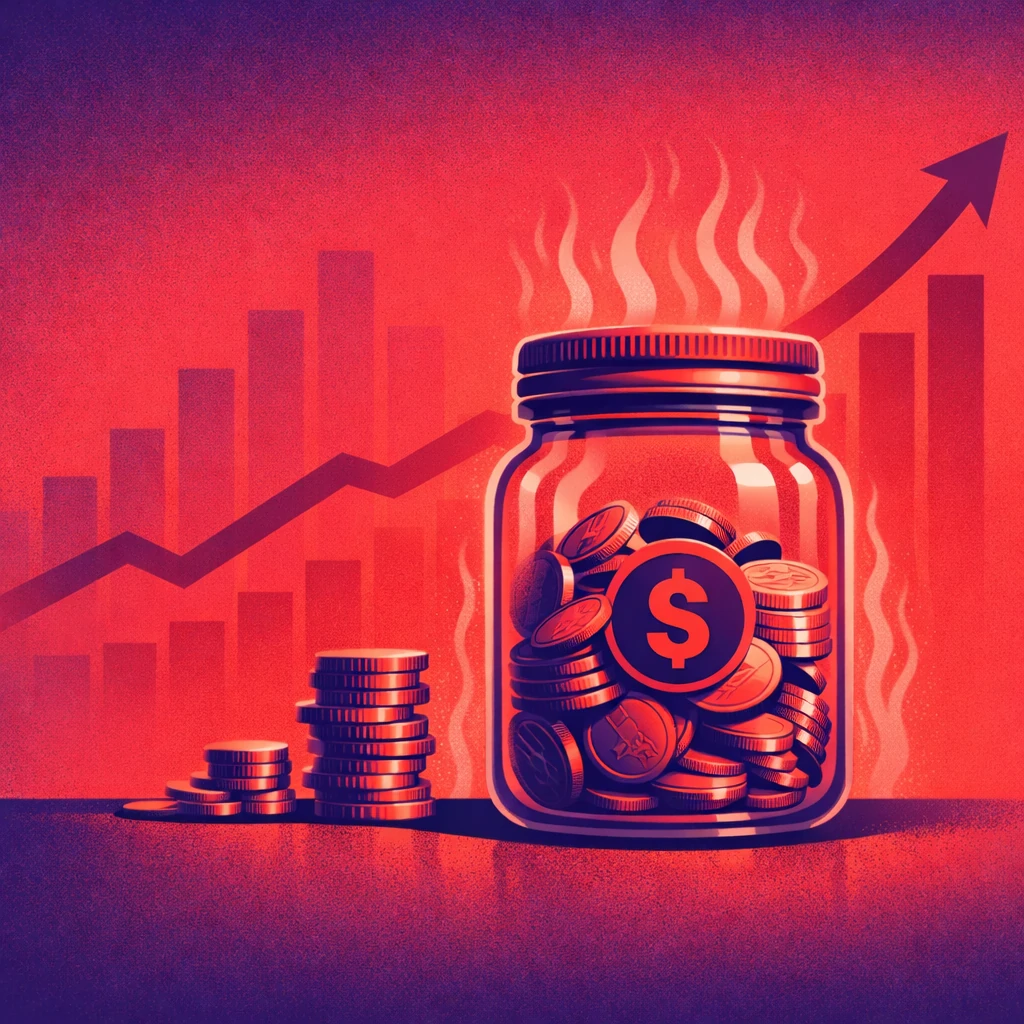
You’re not alone. Inflation is the silent thief of purchasing power. It doesn’t take your money in a dramatic heist—it nibbles away, year after year, until one day you realize your savings buy half of what they used to.
long-term care insurance: who needs it?
Here’s the thing: Inflation isn’t optional. It’s going to happen, whether you plan for it or not. The only question is whether your money is positioned to survive it—or even thrive in spite of it.
🧠 Quick Reality Check:
At 3% inflation, money loses half its purchasing power in about 24 years. At 6%, it’s just 12 years. If you’re saving for retirement 30 years from now, inflation will cut your purchasing power by more than half—unless your investments outpace it.
What This Article Will Actually Give You
Here’s the deal. Most inflation articles are either doomsday warnings or so academic you need an economics degree.
This one is different.
understanding your home insurance deductible
By the time you finish reading, you’ll know:
- Exactly how inflation affects your savings (the math isn’t complicated) .
- Which investments fight inflation and which ones get crushed .
- The Rule of 72—a simple way to calculate how fast your money loses value .
- Inflation-protected investments like TIPS, I Bonds, and REITs .
- The #1 mistake people make during inflationary periods .
- Real numbers showing what 3%, 5%, and 8% inflation actually mean for your money .
This is the playbook. Let’s run it.
is pet insurance worth the cost?
Part 1: Inflation in One Sentence (The 5-Year-Old Version)
The Candy Bar Test
Inflation is simple: Your money buys less over time.
When you were a kid, a candy bar cost 50 cents. Now it costs $1.50. That’s inflation. The candy bar didn’t get better. The dollar got weaker.
The 2% Target (And Why 9% Hurts)
The Federal Reserve targets 2% annual inflation . At that rate, prices rise slowly enough that wages can keep up, and the economy grows.
But when inflation spikes to 5%, 7%, or 9%—like it did in 2021-2022—your purchasing power drops fast. Your $100 becomes $91 worth of buying power in a single year.
disability insurance for self-employed professionals
Part 2: The Inflation Calculator That Will Depress You
The Rule of 72
Here’s a simple way to calculate how fast inflation eats your money:
72 ÷ Inflation Rate = Years for Your Money to Lose Half Its Value
Examples:
- At 3% inflation: 72 ÷ 3 = 24 years to lose half its value
- At 6% inflation: 72 ÷ 6 = 12 years
- At 9% inflation: 72 ÷ 9 = 8 years
Real-Life Examples
| Inflation Rate | $10,000 Value After 10 Years | $10,000 Value After 20 Years |
|---|---|---|
| 2% | $8,170 | $6,676 |
| 3% | $7,441 | $5,537 |
| 4% | $6,755 | $4,564 |
| 5% | $6,139 | $3,768 |
The 30-Year Retirement Nightmare
If you’re 30 years from retirement and inflation averages 3%, your $1 million nest egg will have the purchasing power of about $400,000 in today’s dollars.
That’s why you can’t just save—you have to invest.
how to shop for car insurance and get the best rate
Part 3: How Inflation Destroys Cash Savings
The Math of Losing
Let’s say you have $10,000 in a savings account earning 1% interest. Inflation is 4%.
- Your money grows to $10,100 (1% interest)
- But its purchasing power drops to $9,700 (4% inflation)
- You lost $300 in real terms
You did everything “right.” You saved. You didn’t touch the money. And you still lost ground.
The Savings Account Trap
Savings accounts are for short-term needs —emergency funds, upcoming purchases, money you need in the next 1-3 years. They are not for long-term growth.
In a high-inflation environment, parking money in a low-interest savings account is a guaranteed way to lose purchasing power.
The “Safe” Money Paradox
The safest money (cash, CDs, money market) is actually the riskiest during inflation because it’s guaranteed to lose value. Your principal is safe, but your purchasing power isn’t.
What to Do With Cash
Keep 3-6 months of expenses in a high-yield savings account (currently 3-5%) . Everything else should be invested in assets that outpace inflation.
high-deductible health plan with HSA pros and cons
Part 4: How Inflation Affects Investments (The Good and Bad)
Not all investments react to inflation the same way.
Stocks: The Inflation Fighter
Over the long term, stocks have been the best hedge against inflation . Companies can raise prices to keep up with inflation, and their earnings (and stock prices) tend to rise over time.
Since 1926, U.S. stocks have returned an average of about 10% annually , well above the long-term inflation rate of 3% .
But there’s a catch: In the short term, high inflation can hurt stocks. When inflation spikes, the Fed raises rates, which can slow the economy and hurt corporate profits.
Bonds: The Inflation Loser
Bonds are the biggest loser during inflation. Here’s why:
If you buy a 10-year bond paying 3% interest, and inflation jumps to 5%, you’re losing 2% per year in purchasing power. And your bond’s market value drops because new bonds pay higher rates.
Inflation is the enemy of bondholders.
Real Estate: The Inflation Hedge
Real estate tends to rise with inflation. Property values go up, and rents increase. If you own a home with a fixed-rate mortgage, inflation actually helps you—you’re paying back the loan with cheaper dollars.
REITs (Real Estate Investment Trusts) offer a way to invest in real estate without buying property.
Gold and Commodities: The Debate
Gold is often called an “inflation hedge,” but the evidence is mixed. Gold performed well in the 1970s inflation, but badly in the 1980s and 1990s. It’s unpredictable.
Commodities (oil, wheat, copper) tend to rise with inflation because they’re the stuff prices are made of. But they’re volatile and not suitable for most long-term investors.
Cryptocurrency: The Wild Card
Bitcoin proponents call it “digital gold” and an inflation hedge. But crypto is too new and too volatile to rely on. In 2022, when inflation was high, crypto crashed. Not much of a hedge.
what does renters insurance actually cover?

Part 5: The Inflation-Protected Investment Playbook
If you want specific investments designed to fight inflation, here are your options.
TIPS (Treasury Inflation-Protected Securities)
TIPS are U.S. government bonds that adjust with inflation. When inflation rises, the principal value of TIPS increases. You can buy them directly from TreasuryDirect.gov or through ETFs like SCHP or TIP.
Best for: Conservative investors who want inflation protection with government backing.
I Bonds (Series I Savings Bonds)
I Bonds are another government product with an inflation-adjusted rate. The rate changes every six months based on inflation. In 2025-2026, I Bonds were paying over 4% .
Limits: You can only buy $15,000 per year (including $5,000 via tax refund).
Best for: Investors who want a safe, inflation-protected place for cash they won’t need for at least one year.
Dividend-Growing Stocks
Companies that consistently raise their dividends—called “Dividend Aristocrats”—can help your income keep pace with inflation. If a stock pays a 3% dividend and raises it 5% annually, your income grows faster than inflation.
Best for: Long-term investors who want growing income.
best health insurance plans for young adults
REITs (Real Estate Investment Trusts)
REITs own income-producing real estate. They’re required to pay 90% of taxable income as dividends. Over time, rents rise with inflation, so REIT dividends tend to rise too.
Best for: Investors who want real estate exposure without buying property.
Commodities and Natural Resources
ETFs like GLD (gold), DBC (commodities), or XLE (energy) can provide inflation protection. But they’re volatile and not for everyone.
Best for: Sophisticated investors who understand the risks.
Part 6: The “Stay Invested” Rule (The #1 Mistake)
The Cash-Under-the-Mattress Disaster
When inflation hits, the worst thing you can do is pull money out of investments and hold cash. That guarantees you’ll lose purchasing power.
The 1970s Lesson
In the 1970s, inflation averaged over 7%. Stocks had a rough decade—the Dow went nowhere. But investors who stayed invested and kept buying through the decade were rewarded in the 1980s and 1990s when the market exploded.
What Actually Works
- Stay invested in a diversified portfolio
- Own assets that can raise prices (stocks, real estate)
- Keep only 3-6 months of expenses in cash
- Rebalance periodically
- Keep contributing, especially when prices are down
- how much life insurance coverage do I really need?
Part 7: Inflation by the Numbers (What 3%, 5%, and 8% Actually Mean)
| Inflation Rate | On a $50,000 Salary | On $100,000 Savings | On a $500,000 Home |
|---|---|---|---|
| 2% | Need $51,000 next year to maintain lifestyle | Loses $2,000 in purchasing power | Gains $10,000 in value |
| 4% | Need $52,000 | Loses $4,000 in purchasing power | Gains $20,000 in value |
| 6% | Need $53,000 | Loses $6,000 in purchasing power | Gains $30,000 in value |
| 8% | Need $54,000 | Loses $8,000 in purchasing power | Gains $40,000 in value |
Frequently Asked Questions
Q: How does inflation affect savings?
A: It reduces purchasing power. If your savings earn less than inflation, you’re losing value every year .
Q: What investments do well during inflation?
A: Stocks, real estate, TIPS, I Bonds, and commodities tend to hold up well. Bonds get crushed .
Q: What investments do poorly during inflation?
A: Long-term bonds, cash, and any fixed-income investments with low yields .
Q: Should I move my money out of savings during inflation?
A: Keep 3-6 months of expenses in savings. Invest the rest in assets that outpace inflation .
Q: What’s the Rule of 72?
A: Divide 72 by the inflation rate to see how many years until your money loses half its value .
Q: Are I Bonds a good investment during inflation?
A: Yes. They’re designed to protect against inflation. The rate adjusts every six months .
Q: What are TIPS?
A: Treasury Inflation-Protected Securities. Government bonds that increase in value with inflation .
Q: Does inflation help homeowners?
A: Yes. If you have a fixed-rate mortgage, you pay back the loan with cheaper dollars over time .
Q: Should I buy gold during inflation?
A: Gold can provide some protection, but it’s volatile and not guaranteed. Historically, stocks have been better long-term inflation hedges .
Q: What’s the biggest mistake during inflation?
A: Panicking and moving investments to cash, which guarantees you’ll lose purchasing power .
Q: How much should I have in cash?
A: 3-6 months of expenses. No more .
Q: Can inflation ever be good?
A: Mild inflation (around 2%) is normal and healthy for the economy. It encourages spending and investing instead of hoarding cash .
The Emotional Bottom Line
Look, I’m not going to pretend that inflation is fun to think about.
It’s not. It’s watching your money buy less every year. It’s feeling like you’re running on a treadmill that keeps getting faster. It’s the sneaking suspicion that “saving for retirement” might not be enough.
But here’s the thing: Inflation is not optional, but losing to it is.
The people who protect their wealth during inflationary periods aren’t lucky. They’re intentional. They know that cash loses value, so they keep only what they need. They know that stocks and real estate rise over time, so they stay invested. They know that bonds get crushed, so they limit their exposure.
You don’t need to be an economist to protect yourself. You just need to understand the basics and stick to a plan.
So check your savings. Review your investments. Make sure you’re not accidentally handing your purchasing power to the silent thief.
And then sleep better knowing you’ve done what you can.
You’ve got this.