By: Peiman Daneshgar | Email: daneshgar781@gmail.com**
Published: February 28, 2026**
Table of Contents
- How to Stop Automatic “Protection Plan” Fees on Credit Cards
- Introduction: The $15 Monthly Mystery
- What This Article Will Actually Give You
- Part 1: What Are These “Protection Plan” Fees? (The Product You Never Asked For)
- Part 2: Why These Fees Are So Easy to Miss
- Part 3: How to Find Out If You’re Paying for Protection Plans
- Part 4: How to Cancel Protection Plan Fees (Step by Step)
- Part 5: The Cooling-Off Period—Getting Your Money Back
- Part 6: How to Request a Refund for Past Fees
- Part 7: The Big Scandal—Why Protection Plans Are Often Useless
- Part 8: What to Do If the Bank Refuses to Cancel
- Part 9: How to Prevent This From Happening Again
- Frequently Asked Questions About Credit Card Protection Plans
- The Emotional Bottom Line
Introduction: The $15 Monthly Mystery
I know that feeling.
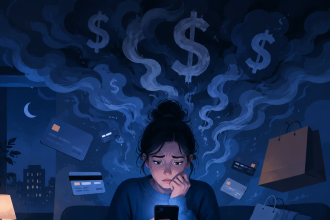
You’re scanning your credit card statement—maybe for the first time in months—and you see it. A charge you don’t recognize. “$15.00” or “$9.99” or maybe “$29.95.” The description is vague: “CARD PROTECTION,” “IDENTITY ALERT,” “ACCOUNT GUARD,” or something equally meaningless.
You don’t remember signing up for this. You don’t remember agreeing to anything. But month after month, the charge appears. $15 here, $15 there. That’s $180 a year. Over five years, that’s nearly $1,000—for something you never wanted, never use, and probably don’t need.
You start to wonder: How long has this been going on? Did I accidentally sign up for this? Can I get my money back? And how do I make it stop?
Sound familiar?
You’re not alone. Credit card “protection plans” are one of the most common—and most unnecessary—fees on consumer statements. Banks and credit card companies have been selling these products for decades, often using aggressive marketing tactics, confusing language, and automatic enrollment to sign up customers who never asked for them .
In fact, these plans have been the subject of massive lawsuits and regulatory actions. In the UK alone, one company—Card Protection Plan Limited (CPP)—was fined £10.5 million and forced to pay up to £1.3 billion in refunds to mis-sold customers . In Canada, banks have refunded thousands of customers who were unknowingly enrolled . And in the US, class action settlements have paid out millions .
Here’s the thing: These fees are not inevitable. They’re not mandatory. And in most cases, they’re completely optional. You just need to know how to spot them, cancel them, and get your money back.
Best AI-powered bank accounts that automatically move checking to savings
🧠 Quick Reality Check:
Some of these “protection plans” charge up to $0.85 per $100 of your monthly balance . On a $3,000 balance, that’s $25.50 a month—$306 a year. For something that often pays out nothing when you actually need it.
What This Article Will Actually Give You
Here’s the deal. Most articles about credit card fees either tell you to “read your statement” or dive into legal jargon that makes no sense.
This one is different.
Why Do Banks Charge Fees? Understanding the Business Model of Banking
By the time you finish reading, you’ll know:
- What these “protection plan” fees actually are (the different names they hide behind) .
- How to find out if you’re paying them (the exact lines to look for on your statement) .
- Step-by-step instructions to cancel (online, by phone, or in person) .
- How to get refunds for past fees (even if you’ve been paying for years) .
- The massive scandals behind these products (so you know you’re not alone) .
- How to prevent this from happening again (because once is enough) .
This is the playbook. Let’s run it.
Is a checking or savings account better for everyday use?
Part 1: What Are These “Protection Plan” Fees? (The Product You Never Asked For)
The Common Names
These products go by many names, but they all do roughly the same thing:
| Common Name | Also Called |
|---|---|
| Payment Protection | Payment Protection Plan (PPP), Credit Card Protection |
| Balance Protection | Balance Protection Insurance, Balance Guard |
| Card Protection | Card Protection Plan, Card Guard, Card Safe |
| Identity Protection | Identity Protection Alert, Identity Theft Protection |
| Account Guard | Account Protection, Credit Shield |
| Debt Protection | Credit Protection, Payment Holiday Plan |
What They Claim to Do
These plans typically promise to:
- Make your minimum monthly payments if you lose your job, become disabled, or die
- Cover your balance in case of identity theft
- Provide “peace of mind” and “financial security”
- Do You Really Need a Business Bank Account for an LLC or Startup?
The Reality Check
Here’s what they don’t tell you:
- Coverage is often limited to minimum payments only, not your full balance
- There are long waiting periods before benefits kick in
- Pre-existing conditions are excluded
- The fine print is full of loopholes
- The cost adds up to far more than the potential benefit
Part 2: Why These Fees Are So Easy to Miss
The Small Print Problem
When you apply for a credit card, the application is full of checkboxes. Somewhere in the middle, often pre-checked, is a box for “optional protection.” Many people never even see it .
The “Opt-Out” Default
These products are often sold with an “opt-out” default—meaning you’re automatically enrolled unless you specifically decline. This is the opposite of how consent should work .
The Bundled Application Trap
Sometimes the protection plan is bundled with other services. You might think you’re just applying for the card, but hidden in the terms is an agreement to pay for “protection.”
The Auto-Renewal Nightmare
Even if you signed up years ago, these plans often auto-renew automatically. The fees just keep coming, year after year, until you notice and stop them .
A Beginner’s Guide to Every Common Bank Fee You’ll Encounter in 2026
Part 3: How to Find Out If You’re Paying for Protection Plans
Method 1: Scan Your Statement (The 5-Minute Check)
Look for these keywords in your recent statements:
- PROTECTION
- PROTECT
- GUARD
- SHIELD
- ALERT
- ASSIST
- CARE
- COVER
- SECURE
Method 2: Log Into Your Online Account
Most credit card websites have a section for “Services,” “Benefits,” or “Add-ons.” Check there for any active subscriptions .
Method 3: Check Your Welcome Packet (If You Still Have It)
If you remember signing up for a card years ago, dig out the original paperwork. Look for any mention of “optional services” or “protection plans.”
Business Checking vs. Business Savings Accounts: What’s the Difference?
The Fee Descriptions Cheat Sheet
| What You Might See | What It Probably Is |
|---|---|
| “CARD PROTECTION PLAN” | Card registration/theft protection |
| “PAYMENT PROTECTION” | Payment insurance |
| “IDENTITY ALERT” | Identity theft monitoring |
| “ACCOUNT GUARD” | Balance protection |
| “CREDIT SHIELD” | Payment protection |
| “CPP FEE” | Card Protection Plan product |
Part 4: How to Cancel Protection Plan Fees (Step by Step)
Option 1: Online Cancellation (The Easiest)
Many banks now let you cancel these services online :
- Log into your credit card account
- Look for “Services,” “Benefits,” “Add-ons,” or “Account Settings”
- Find the active protection plan
- Click “Cancel” or “Unsubscribe”
- Confirm the cancellation
- Take a screenshot of the confirmation
Tip: Look for a lightning bolt or gear icon—that’s often where these settings hide .
Checking vs savings account for beginners: a simple guide
Option 2: Mobile App (For App-Savvy Users)
Many banking apps have similar options:
- Open your bank’s app
- Tap on your credit card account
- Look for a menu icon (three lines) or settings gear
- Find “Services” or “Add-ons”
- Tap to cancel
Option 3: Phone Call (When Online Doesn’t Work)
If you can’t cancel online, call the number on the back of your card :
- Call customer service
- Ask for the department that handles “credit protection services” or “card member services”
- Request cancellation of the specific plan
- Get a confirmation number
- Ask for written confirmation via email or mail
Option 4: Secure Message (The Paper Trail)
Many banks offer secure messaging through their online portal. Send a message requesting cancellation and keep a copy for your records.
Option 5: In-Person (The Nuclear Option)
If all else fails, visit a local branch with your ID and request cancellation in person .
What to Say When You Call
“I’d like to cancel the [protection plan name] on my credit card ending in [last four digits]. Please confirm when this will take effect and send me written confirmation.”
Bank Fees Explained: The Complete Guide to Understanding Your Statement
Part 5: The Cooling-Off Period—Getting Your Money Back
What Is the Cooling-Off Period?
Most protection plans come with a “cooling-off period”—a short window after you sign up (or renew) during which you can cancel and get a full refund .
Typical Cooling-Off Periods by Issuer
| Provider | Cooling-Off Period |
|---|---|
| Barclaycard (CPP products) | 30 days from renewal |
| Barclaycard (Sentinel products) | 14 days from renewal |
| Many UK issuers | 14-30 days |
| Some Canadian issuers | Varies, but refunds often given |
What If You’re Past the Cooling-Off Period?
You can still cancel—you just might not get a refund for the current period. But keep reading—there are ways to get money back even after the cooling-off period ends.
Part 6: How to Request a Refund for Past Fees
The “I Didn’t Know” Argument
Many customers have successfully received refunds by simply pointing out that they never knowingly agreed to the service . In Canada, customers who called to question these fees often received full refunds going back years .
The “Never Used It” Argument
Even if you did sign up, if you never used the service, you have grounds to request a refund. Banks would rather refund a portion than lose you as a customer.
The “Cancel or Refund” Negotiation
When you call to cancel, ask about a refund for recent months. Be polite but firm. If they say no, ask to escalate to a supervisor.
Sample Refund Request Script
“I’m calling to cancel my [protection plan] and request a refund for the past [X months/years]. I don’t recall ever agreeing to this service, and I haven’t used any of the benefits. I’d like to have these charges refunded to my account.”
Part 7: The Big Scandal—Why Protection Plans Are Often Useless
The CPP Case: £1.3 Billion in Refunds
In one of the largest mis-selling cases in UK history, Card Protection Plan Limited (CPP) was fined £10.5 million for widespread mis-selling of credit card protection and identity protection policies .
The problem: Customers were given misleading information about the policies. They were sold coverage they didn’t need, for risks that had been greatly exaggerated. The coverage was often worthless because customers were already protected by their banks .
The result: Up to £1.3 billion in refunds to approximately 7 million customers who bought 23 million policies .
The banks involved: Bank of Scotland, Barclays, Capital One, Clydesdale, HSBC, MBNA, Nationwide, Santander, RBS, and others .
The PPI Mis-Selling Scandal
Payment Protection Insurance (PPI) was one of the biggest financial scandals in UK history. Millions of policies were sold to credit card customers who either didn’t need them, couldn’t use them, or were misled about what they covered .
The total compensation paid by banks exceeded £50 billion. Yes, billion with a B .
The AIB Case: 11,500 Customers Refunded
In Ireland, AIB refunded €3.1 million to 11,500 customers—an average of €270 each—after discovering “breakdowns in its verification systems” . Customers were enrolled in payment protection plans, travel insurance, and card protection without proper consent.
The Common Thread
In every case, the same pattern emerges:
- Customers were enrolled without clear consent
- The products were often worthless
- Refunds were possible—but only for those who asked
Part 8: What to Do If the Bank Refuses to Cancel
Step 1: Escalate to a Supervisor
If the first representative won’t help, ask for a supervisor. Be polite but persistent.
Step 2: File a Complaint with Regulators
If the bank still refuses, file a complaint with the appropriate regulator:
| Country | Regulator |
|---|---|
| United States | Consumer Financial Protection Bureau (CFPB) |
| United Kingdom | Financial Conduct Authority (FCA) |
| Canada | Financial Consumer Agency of Canada (FCAC) |
| Ireland | Central Bank of Ireland |
Step 3: Consider Legal Action (For Large Amounts)
If you’re owed significant money (hundreds or thousands), consult with a consumer protection attorney. In many cases, class action settlements have already been established .
Step 4: Vote With Your Feet
If a bank treats you poorly, move your business elsewhere. Tell them that’s why you’re leaving. Customer service matters.
Part 9: How to Prevent This From Happening Again
The “Read Everything” Rule
I know, reading terms and conditions is boring. But when applying for a credit card, scan for pre-checked boxes and optional services. Uncheck everything you don’t want.
The “Opt-Out by Default” Strategy
Assume that any “optional” service is automatically enrolled unless you opt out. Check for these during application and after approval.
The Monthly Statement Scan
Take 5 minutes each month to scan your statement for unfamiliar charges. Early detection is the best prevention.
The No-Fee Credit Card Alternative
Consider switching to a credit card with no annual fee and no “optional” services. Many online banks offer simple, fee-free cards.
Frequently Asked Questions About Credit Card Protection Plans
Q: What are credit card protection plans?
A: Optional services that claim to protect you if you lose your job, become disabled, or have your identity stolen. They typically cost monthly fees .
Q: Are credit card protection plans worth it?
A: For most people, no. The coverage is limited, the fees add up, and you may already have protection through other means .
Q: How do I know if I’m paying for one?
A: Scan your statement for words like PROTECTION, GUARD, ALERT, SHIELD, or ASSIST. Also check your online account for “services” or “add-ons.”
Q: How do I cancel?
A: Online, through your mobile app, by phone, or in person. The easiest is often through your online account .
Q: Can I get a refund for past fees?
A: Possibly. Many customers have received refunds by simply asking. Be polite, explain you didn’t knowingly agree, and request a refund .
Q: What’s the cooling-off period?
A: A short window (usually 14-30 days) after signing up or renewing during which you can cancel and get a full refund .
Q: What if I’ve been paying for years?
A: Call and ask. In many cases, banks have refunded years of fees to customers who complained .
Q: Are these plans illegal?
A: Not inherently, but they’ve been the subject of massive mis-selling scandals. Many were sold using deceptive tactics .
Q: What was the CPP scandal?
A: Card Protection Plan Limited was fined £10.5 million and forced to refund up to £1.3 billion for mis-selling card and identity protection .
Q: What was the PPI scandal?
A: One of the biggest financial scandals in UK history, with over £50 billion in compensation paid for mis-sold payment protection insurance .
Q: Can I sue if they won’t refund?
A: For large amounts, consider a consumer protection attorney. For smaller amounts, it’s usually not worth the legal costs.
The Emotional Bottom Line
Look, I’m not going to pretend that dealing with bank fees is fun.
It’s not. It’s frustrating. It’s time-consuming. And it feels deeply unfair to have to fight for money that was never rightfully theirs in the first place.
But here’s the thing: Banks are counting on you to give up.
They’re counting on you to ignore that $15 monthly charge. To assume it’s legitimate. To move on with your life. And every month you do, you’re handing them money you could have kept.
But you don’t have to be that person.
With 30 minutes of effort, you can:
- Scan your statements for hidden fees
- Cancel useless protection plans
- Request refunds for past charges
- Set up your accounts to prevent future fees
That 30 minutes could save you hundreds—even thousands—over the years. It’s the highest hourly rate you’ll ever earn.
So take a deep breath. Pick up the phone. Log into your account. And take back what’s yours.
You’ve got this.