Author: Peiman Daneshgar
Email: daneshgar781@gmail.com
Estimated reading time: 8 minutes
Table of contents
- How to Track Daily Spending: The Ultimate Guide to Mastering Your Finances
- Why Tracking Daily Spending Is So Important
- The Psychology Behind Spending Habits
- The Best Methods to Track Daily Spending
- 1. The Notebook Method
- Step‑by‑Step System to Track Daily Spending
- Common Mistakes When Tracking Spending
- How Tracking Daily Spending Improves Your Financial Life
- Best Categories for Tracking Expenses
- How Technology Makes Tracking Spending Easier
- How Long Should You Track Daily Spending?
- Daily Spending Tracking vs Budgeting
- How Successful People Track Their Spending
- The 5‑Minute Daily Money Routine
- How to Track Daily Spending with Cash
- Turning Spending Data into Financial Growth
- Frequently Asked Questions (FAQ)
- Should I track every single purchase?
- Conclusion
How to Track Daily Spending: The Ultimate Guide to Mastering Your Finances
In today’s fast‑paced world, managing money has become more challenging than ever. With credit cards, online shopping, subscriptions, and digital payments, it’s incredibly easy to lose track of where your money goes.
This is why learning how to track daily spending is one of the most powerful financial habits you can build.
People often believe they have a good idea of their spending habits. However, once they begin tracking their daily expenses, they discover surprising patterns—like how small purchases accumulate into large monthly costs.
Tracking your spending helps you:
- Gain control over your finances
- Identify unnecessary expenses
- Build savings faster
- Reduce financial stress
- Achieve long‑term financial goals
In this complete guide, you will learn how to track daily spending effectively, the best tools to use, the psychology behind spending habits, and strategies used by financially successful individuals.
By the end of this article, you will have a complete system to monitor and optimize your daily spending.
Why Tracking Daily Spending Is So Important
Before learning how to track daily spending, it’s important to understand why it matters.
Many people struggle financially not because they earn too little, but because they don’t know where their money goes.
1. Awareness Creates Control
When you track daily spending, you become aware of every dollar leaving your wallet.
This awareness changes behavior.
For example:
- 5coffeeeveryday=150 per month
- 20takeouttwiceaweek=160 per month
- Unused subscriptions = $50+ per month
Without tracking, these expenses go unnoticed.
2. Preventing Lifestyle Inflation
As income increases, spending often increases as well. This phenomenon is called lifestyle inflation.
Tracking daily spending helps ensure that higher income leads to more savings, not just more expenses.
3. Achieving Financial Goals Faster
Whether you want to:
- Save for a house
- Pay off debt
- Build an emergency fund
- Invest for retirement
Learning how to track daily spending gives you the data needed to optimize your finances.
The Psychology Behind Spending Habits
Understanding psychology is a key part of learning how to track daily spending effectively.
Emotional Spending
Many purchases are driven by emotions such as:
- Stress
- Boredom
- Social pressure
- Convenience
Tracking spending makes emotional purchases visible.
The “Small Purchase Trap”
Small purchases feel harmless, but they accumulate over time.
Example:
8lunch×20workdays=160/month
160×12months=1920/year
Tracking daily spending exposes these patterns quickly.
The Latte Factor
Financial expert David Bach popularized the Latte Factor, showing how small daily expenses can significantly affect long-term wealth.
The Best Methods to Track Daily Spending
There is no single perfect method. The best approach depends on your personality and lifestyle.
Here are the most effective ways to learn how to track daily spending.
habits of financially successful
1. The Notebook Method
This is the simplest method.
All you need is a small notebook or journal.
Every time you spend money, write down:
- Date
- Amount
- Category
- Description
Example:
March 12 – $4.50 – Coffee – Starbucks
Benefits:
- Very simple
- Builds strong awareness
- No technology required
Drawback:
- Requires discipline.
good financial habits to start
2. Spreadsheet Tracking
Many financially organized people prefer spreadsheets.
You can use:
- Microsoft Excel
- Google Sheets
Columns might include:
Date | Category | Description | Amount
At the end of each week or month, you can analyze totals.
Benefits:
- Powerful analysis
- Easy monthly reports
- Customizable
3. Budgeting Apps
Technology has made it easier than ever to track spending automatically.
Popular apps include:
- Mint
- YNAB (You Need A Budget)
- PocketGuard
- EveryDollar
These apps connect to your bank accounts and automatically categorize transactions.
Advantages:
- Automation
- Real-time updates
- Spending alerts
For many people, apps are the easiest way to implement how to track daily spending.
Step‑by‑Step System to Track Daily Spending
Let’s break down a practical system.
Step 1: Record Every Expense
The most important rule:
Track every single purchase.
Even small expenses like:
- Coffee
- Snacks
- Parking
- Tips
Missing small purchases reduces accuracy.
How to stop automatic “Protection Plan” fees on credit cards
Step 2: Categorize Expenses
Common spending categories include:
- Housing
- Food
- Transportation
- Entertainment
- Shopping
- Subscriptions
- Utilities
Categorization helps you identify spending patterns.
High-yield checking vs savings: which earns more in a falling rate environment?
Step 3: Review Spending Weekly
Once per week, analyze your spending.
Ask yourself:
- Where did most of my money go?
- Which expenses were unnecessary?
- What can I reduce next week?
How to use AI copilots to find the highest daily APY
Step 4: Set Spending Limits
Once you know your habits, set limits.
Example monthly budget:
- Groceries: $400
- Dining out: $150
- Entertainment: $100
Tracking daily spending ensures you stay within limits.

Common Mistakes When Tracking Spending
Many people start tracking but quit quickly.
Here are the most common mistakes.
1. Not Tracking Small Purchases
Small expenses matter.
They often represent 30–40% of discretionary spending.
2. Being Too Complicated
If your system is complicated, you will stop using it.
Simple systems work best.
3. Ignoring Cash Spending
Cash is easy to forget.
Always log cash purchases immediately.
4. Not Reviewing Data
Tracking alone isn’t enough.
You must analyze spending patterns.
How to open business bank account for AI startup with no revenue
How Tracking Daily Spending Improves Your Financial Life
People who master how to track daily spending experience major financial improvements.
Reduced Financial Stress
Knowing where your money goes reduces anxiety.
Faster Debt Repayment
Tracking helps redirect unnecessary spending toward debt.
Increased Savings
Most people save 10–25% more money once they track spending.
Better Financial Decisions
When you understand your spending patterns, you make smarter choices.
Best Categories for Tracking Expenses
Effective spending tracking depends on good categories.
Recommended categories:
Housing
Utilities
Groceries
Dining Out
Transportation
Insurance
Shopping
Entertainment
Health
Subscriptions
Travel
Savings
Investments
These categories provide a clear financial overview.
How Technology Makes Tracking Spending Easier
Modern financial technology has revolutionized how to track daily spending.
Bank integrations allow automatic transaction tracking.
AI-powered apps now:
- Categorize spending
- Detect unusual transactions
- Suggest budget improvements
This makes financial awareness easier than ever.
How Long Should You Track Daily Spending?
Experts recommend tracking spending for at least 90 days.
Why?
Because spending patterns vary each month.
Three months provides accurate insight into your financial habits.
Many financially successful people continue tracking for life.
Daily Spending Tracking vs Budgeting
People often confuse these two concepts.
Tracking spending = recording where money goes.
Budgeting = planning where money should go.
Both are important.
But tracking daily spending comes first, because you need real data before creating a budget.
How Successful People Track Their Spending
Many financially successful entrepreneurs and investors closely monitor spending.
Their habits include:
- Reviewing expenses weekly
- Using financial dashboards
- Automating expense tracking
- Eliminating unnecessary subscriptions
Tracking spending is one of the most common habits among financially disciplined individuals.
The 5‑Minute Daily Money Routine
You only need five minutes per day.
Daily routine:
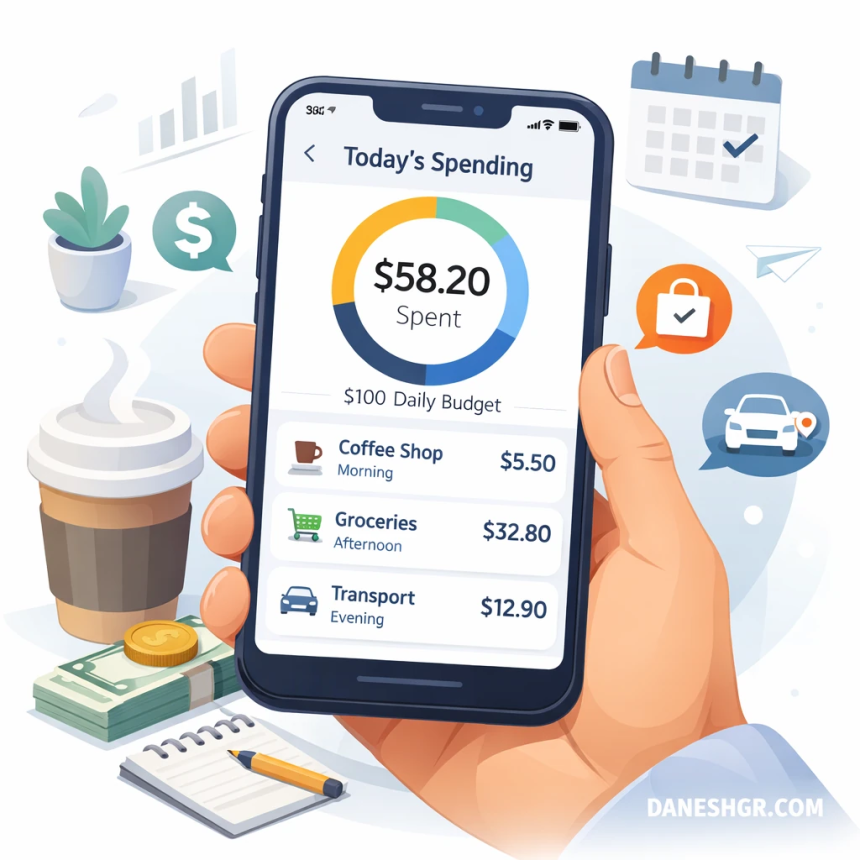
- Open your tracking app or notebook
- Record new purchases
- Check daily totals
- Review category spending
This small habit can dramatically improve financial awareness.
How to Track Daily Spending with Cash
Cash spending requires extra discipline.
Strategies include:
- Keep receipts
- Write purchases immediately
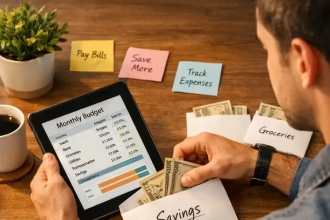
- Use envelope budgeting
The envelope system divides cash into categories like groceries, dining, and entertainment.
Turning Spending Data into Financial Growth
Once you collect data, use it to improve.
Look for:
- High‑frequency purchases
- Impulse buying patterns
- Subscription leaks
Even reducing spending by 10% can create significant long-term savings.
Frequently Asked Questions (FAQ)
What is the best way to track daily spending?
The best method depends on personal preference. Many people prefer budgeting apps because they automatically record transactions and categorize spending.
How long does it take to build a spending tracking habit?
Most people build the habit within 30 days of consistent tracking.
Should I track every single purchase?
Yes. Even small purchases matter because they accumulate over time.
Is tracking spending better than budgeting?
Tracking spending should come first. Once you understand your habits, you can create a realistic budget.
Can tracking spending really save money?
Yes. Studies show that people who track expenses typically reduce unnecessary spending by 15–30%.
Conclusion
Learning how to track daily spending is one of the most powerful financial habits anyone can develop.
It provides clarity, control, and confidence over your money.
By recording expenses, analyzing patterns, and adjusting spending habits, you can transform your financial future.
Whether you use a notebook, spreadsheet, or budgeting app, the key is consistency.
Start today.
Track every dollar.
And take control of your financial life.